Living in an apartment often means working with limited space, filtered sunlight, and busy schedules. Large plants can feel overwhelming, and high-maintenance ones quickly become frustrating. That’s why choosing the right small indoor plants matters.
The good news is that many compact houseplants naturally stay small and adapt well to indoor conditions. Some tolerate low light, others handle missed watering, and many fit easily on desks, shelves, or window sills.
In this guide, you’ll find a carefully selected list of small indoor plants perfect for apartments. Each one includes simple care tips so you can confidently choose what fits your space and lifestyle.
What Makes a Plant Good for Small Apartments
Not every plant works well in compact living spaces. The best apartment plants usually share a few practical traits.
They stay relatively small or grow slowly, so they don’t outgrow your space quickly. Many tolerate indirect or low light, which is common in apartments with limited windows or nearby buildings blocking sunlight.
Beginner-friendly plants are also more forgiving. They can handle occasional watering mistakes and don’t require constant attention.
Common mistakes to avoid:
- Choosing plants that grow too large over time
- Overwatering small pots (very common)
- Expecting plants to thrive in very dark corners
- Ignoring drainage and proper soil
Even the toughest houseplants still need basic care. Think of them as low-maintenance, not no-maintenance.
Best Small Indoor Plants Perfect for Apartments
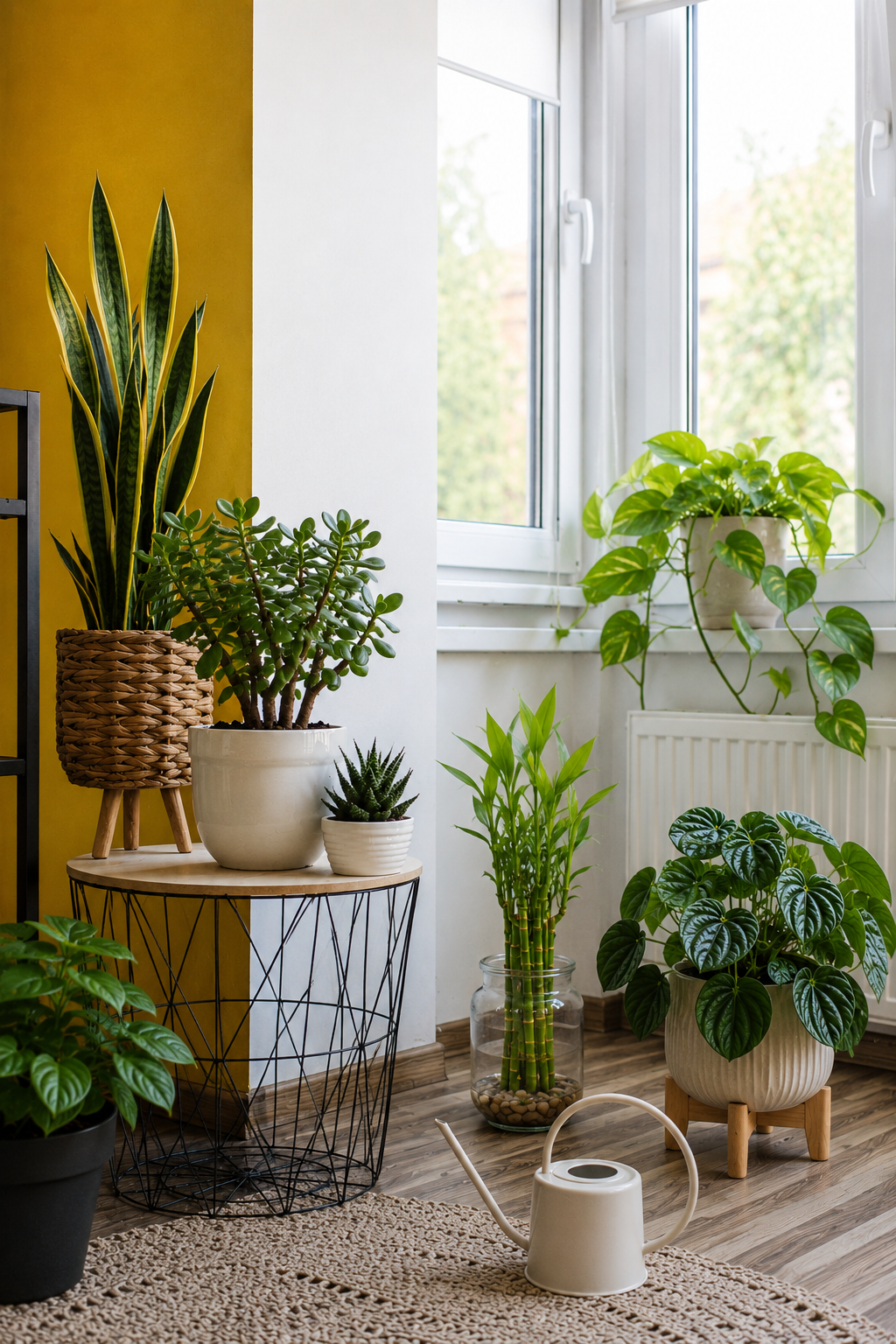
Here are some of the best small indoor plants perfect for apartments, especially for beginners, busy people, and anyone working with limited space.
Snake Plant (Sansevieria / Dracaena trifasciata)
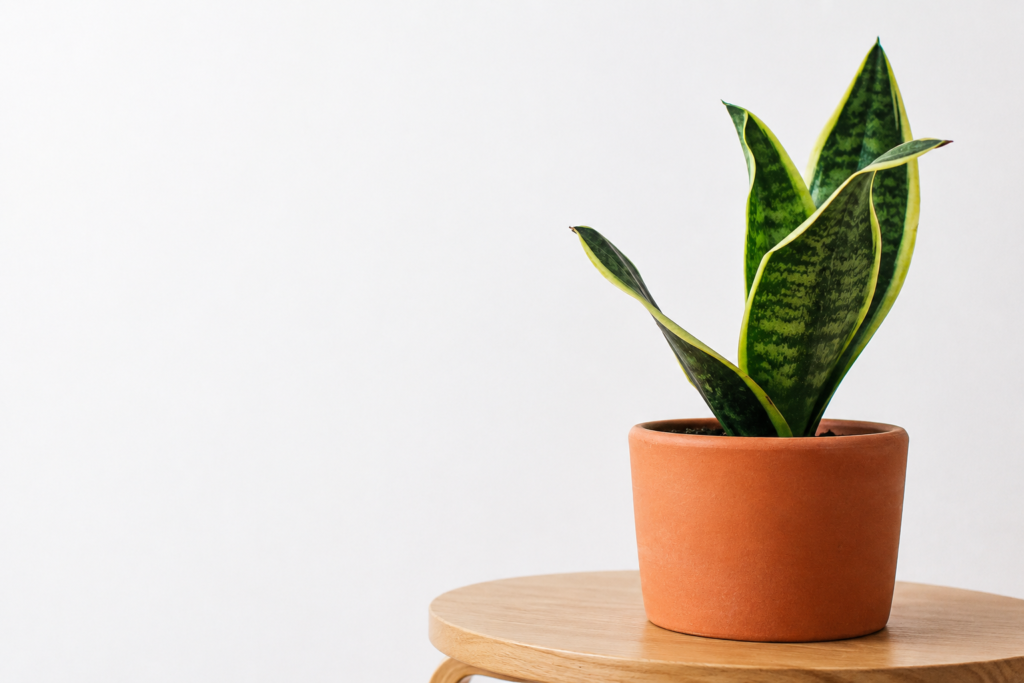
A classic choice for small apartments, the snake plant grows upright and takes up very little floor or shelf space.
Why it works:
Its vertical growth makes it ideal for tight corners and narrow surfaces.
Light needs:
Handles low light but grows better in bright indirect light.
Watering:
Water only when the soil is completely dry. Overwatering is the main issue.
Why beginners like it:
Very forgiving and hard to kill.
Potential drawbacks:
Toxic to pets and slow-growing.
If you want to know more about snake plant care, check this snake plant care guide.
Pothos (Epipremnum aureum)
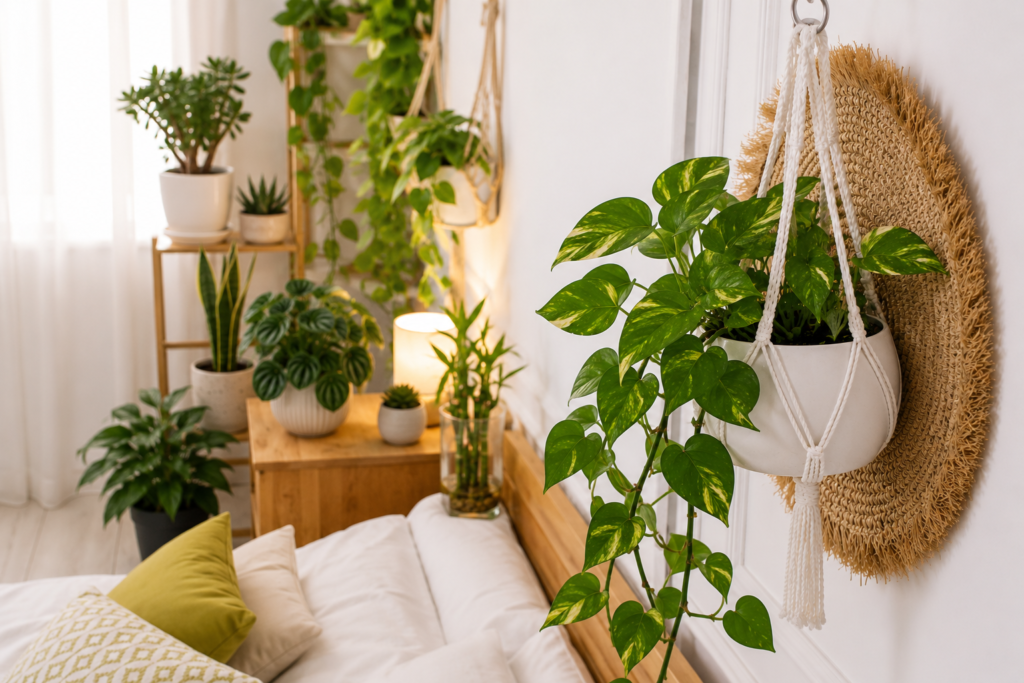
Pothos is one of the most popular small indoor plants, especially for shelves and hanging spaces.
Why it works:
Trailing vines make it perfect for vertical use without taking up surface area.
Light needs:
Adapts to low to bright indirect light.
Watering:
Water when the top inch of soil dries out.
Why beginners like it:
Fast-growing and visually rewarding.
Potential drawbacks:
Can become leggy in very low light.
If you want to know more about pothos care, check this pothos plant care guide.
ZZ Plant (Zamioculcas zamiifolia)
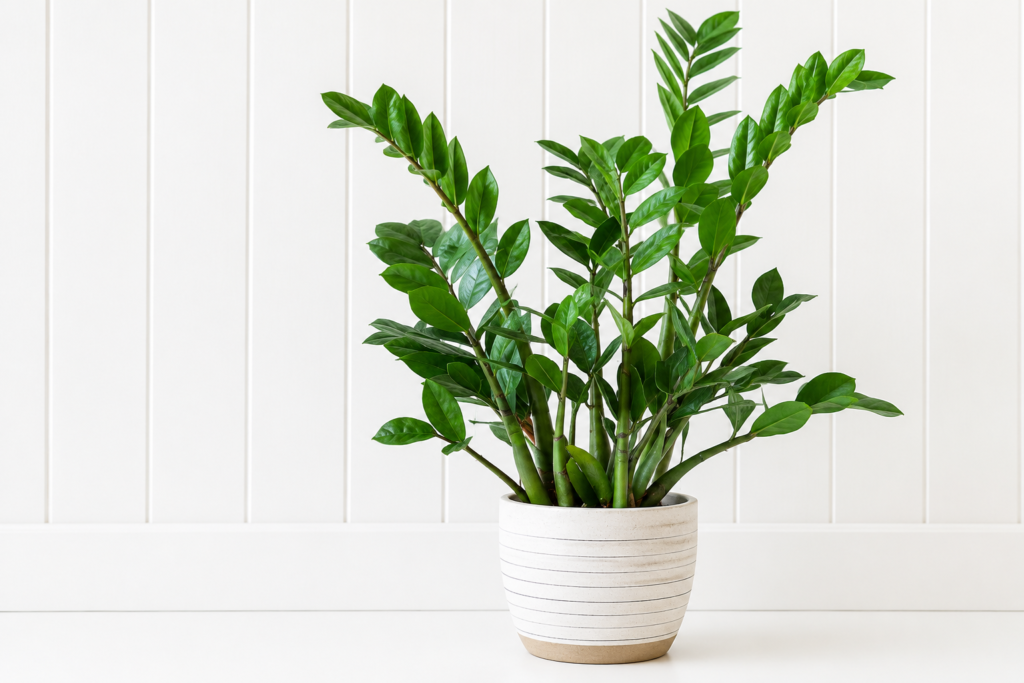
The ZZ plant is ideal for people who want a clean, structured look with minimal effort.
Why it works:
Compact, upright growth with thick stems that store water.
Light needs:
Tolerates low light very well.
Watering:
Water sparingly. It prefers to dry out fully.
Why beginners like it:
Extremely drought-tolerant.
Potential drawbacks:
Toxic if ingested and slow to grow.
Spider Plant (Chlorophytum comosum)
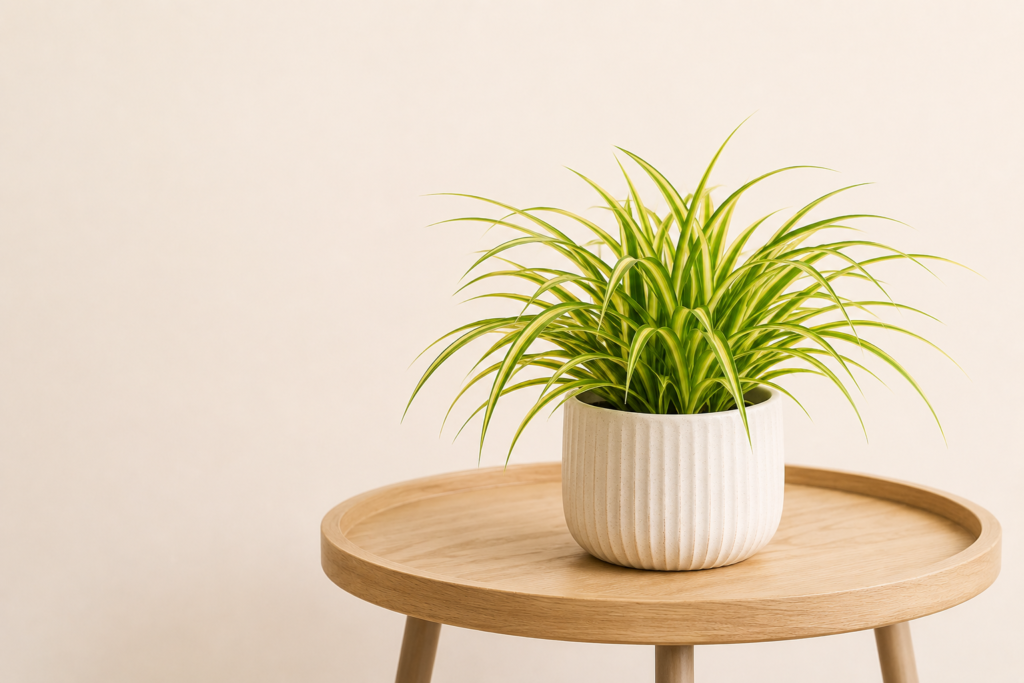
A small but lively plant that produces baby offshoots.
Why it works:
Compact base with arching leaves, good for shelves or hanging pots.
Light needs:
Bright indirect light is best, but tolerates moderate light.
Watering:
Keep soil lightly moist, not soggy.
Why beginners like it:
Easy to propagate and quick to show growth.
Potential drawbacks:
Leaf tips can turn brown if water quality is poor.
Peace Lily (Spathiphyllum)
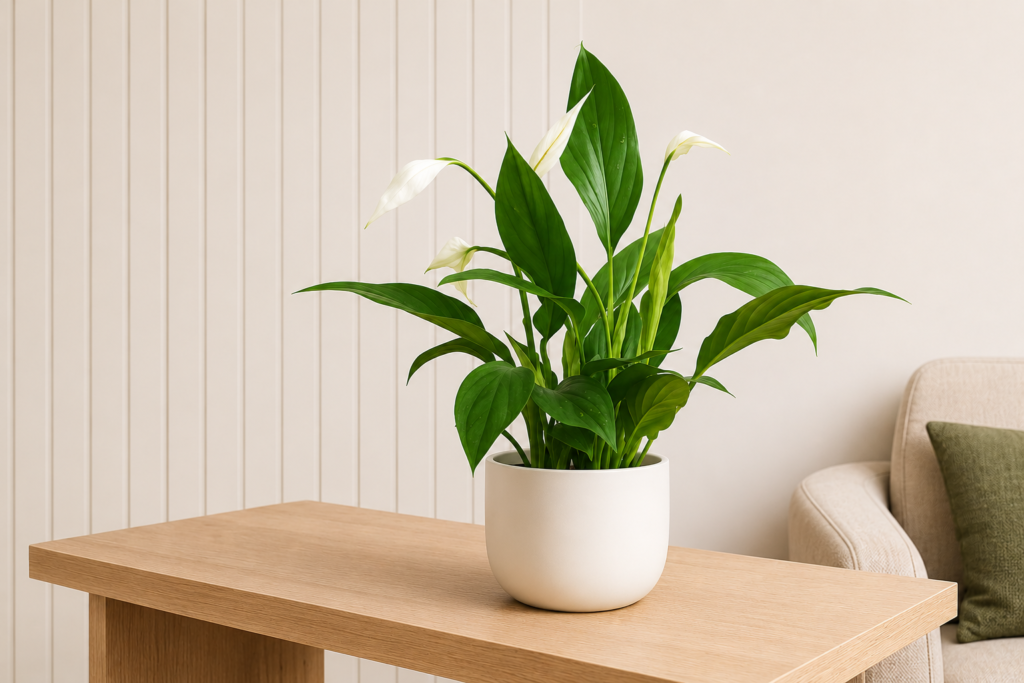
A small flowering plant that adds a soft, elegant look to apartments.
Why it works:
Compact size with occasional blooms.
Light needs:
Prefers low to medium indirect light.
Watering:
Water when leaves begin to droop slightly.
Why beginners like it:
Gives clear signals when it needs water.
Potential drawbacks:
Toxic to pets and sensitive to overwatering.
If your peace lily starts looking weak, check this guide on peace lily drooping even after watering.
Chinese Evergreen (Aglaonema)
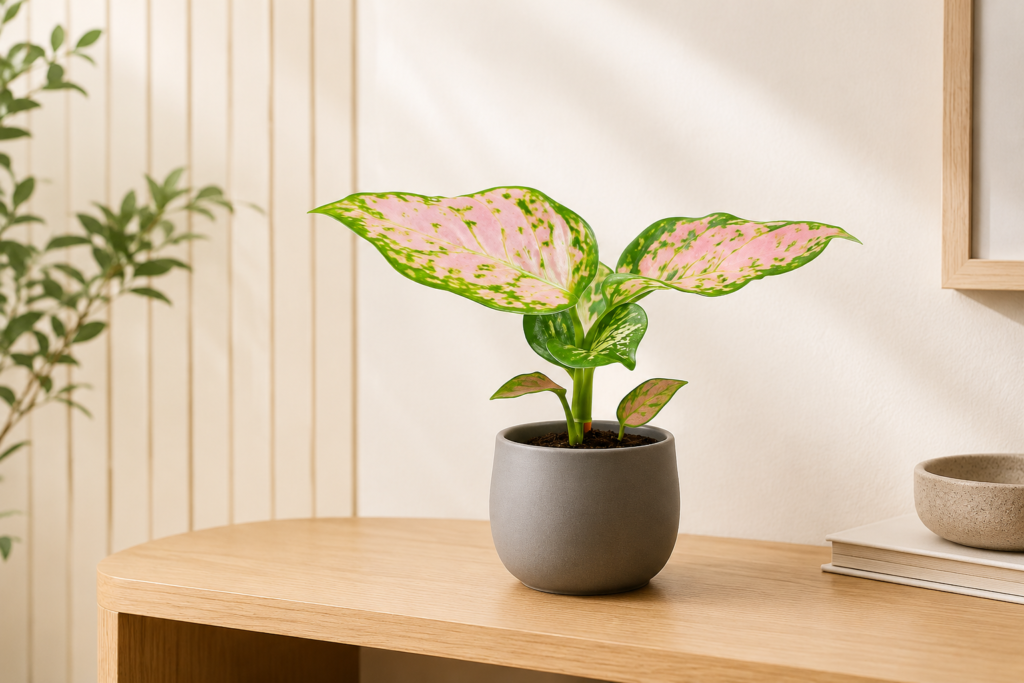
A great option if you want a bit of color without much effort.
Why it works:
Compact and slow-growing with patterned leaves.
Light needs:
Does well in low to medium light.
Watering:
Allow the top layer of soil to dry before watering.
Why beginners like it:
Very adaptable to indoor conditions.
Potential drawbacks:
Toxic to pets.
Jade Plant (Crassula ovata)
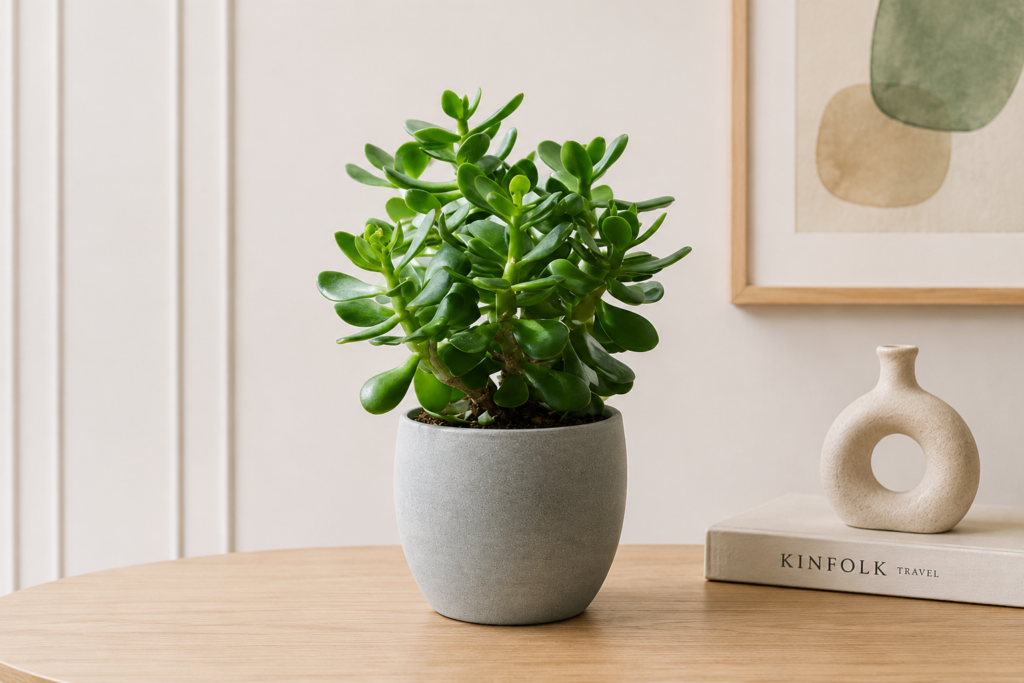
A small succulent that stays compact and works well on desks.
Why it works:
Thick leaves store water, making it low-maintenance.
Light needs:
Needs bright light to thrive.
Watering:
Water sparingly when soil dries out completely.
Why beginners like it:
Simple care routine.
Potential drawbacks:
Struggles in low light apartments.
Haworthia (Small Succulent)
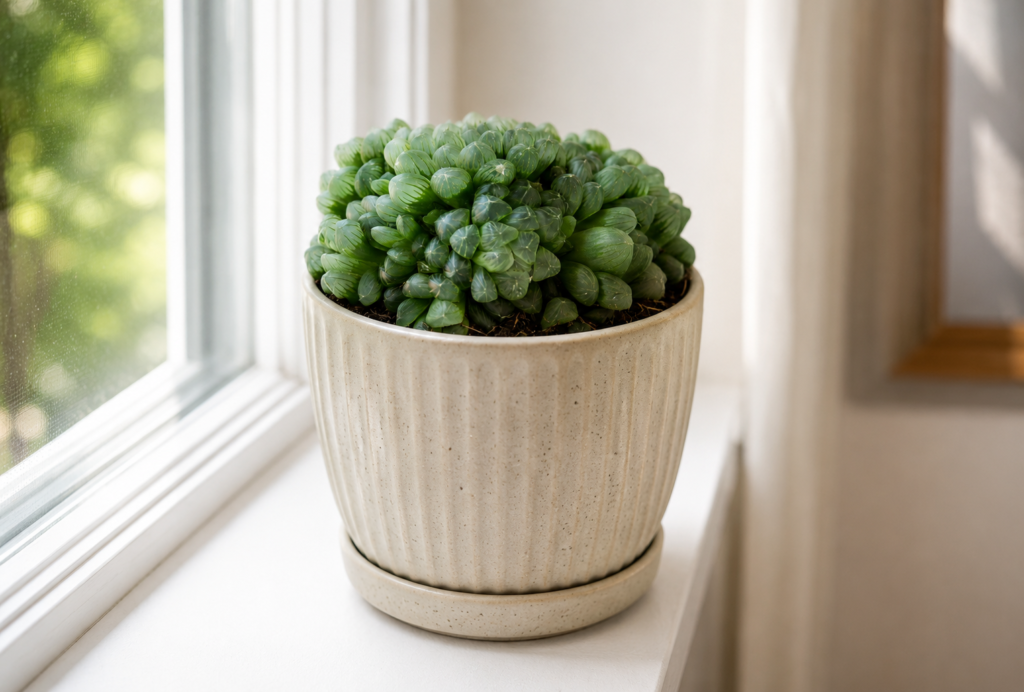
A great alternative to larger succulents.
Why it works:
Very small size, perfect for desks and tight spaces.
Light needs:
Prefers bright indirect light.
Watering:
Infrequent watering, similar to other succulents.
Why beginners like it:
Compact and easy to manage.
Potential drawbacks:
Can suffer in very low light.
Lucky Bamboo (Dracaena sanderiana)
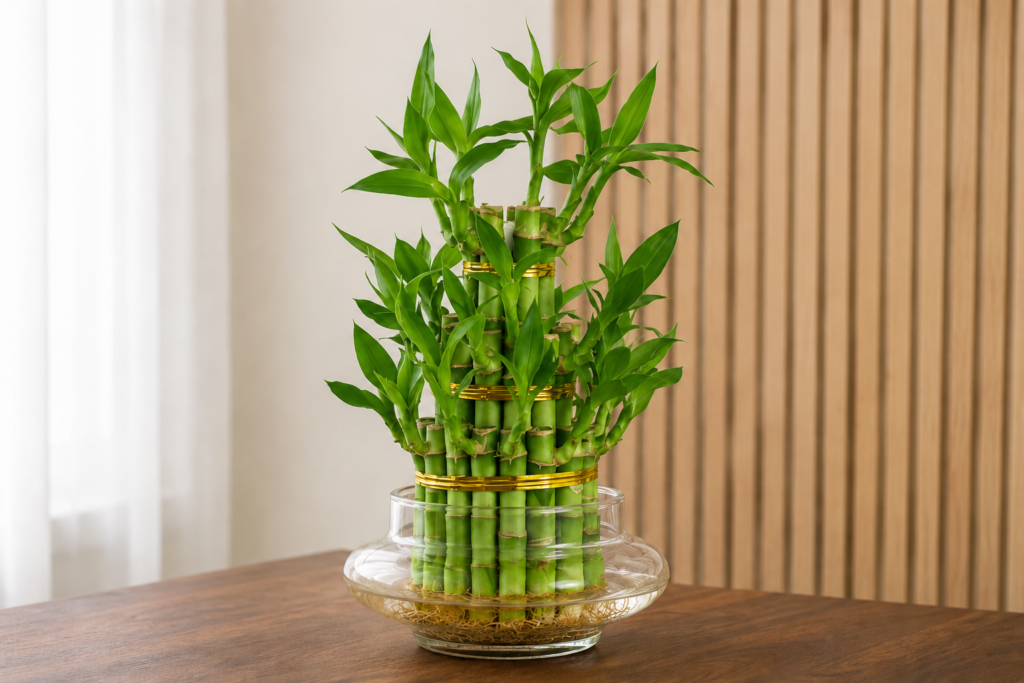
A popular choice for minimal setups and small surfaces.
Why it works:
Can grow in water, saving space and mess.
Light needs:
Low to moderate indirect light.
Watering:
Keep water level consistent if grown hydroponically.
Why beginners like it:
Simple and visually clean.
Potential drawbacks:
Sensitive to tap water chemicals.
Fittonia (Nerve Plant)
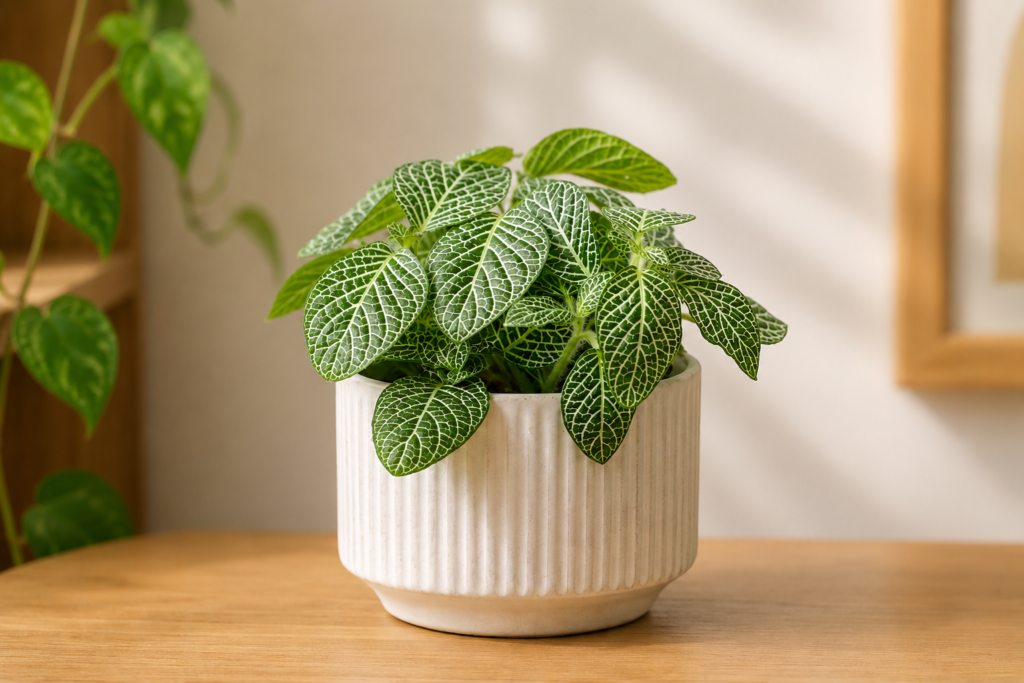
A small decorative plant known for its vibrant leaf patterns.
Why it works:
Very compact, ideal for tabletops.
Light needs:
Prefers bright indirect light.
Watering:
Needs consistent moisture.
Why beginners like it:
Visually striking despite small size.
Potential drawbacks:
Can wilt quickly if neglected.
Parlor Palm (Chamaedorea elegans)
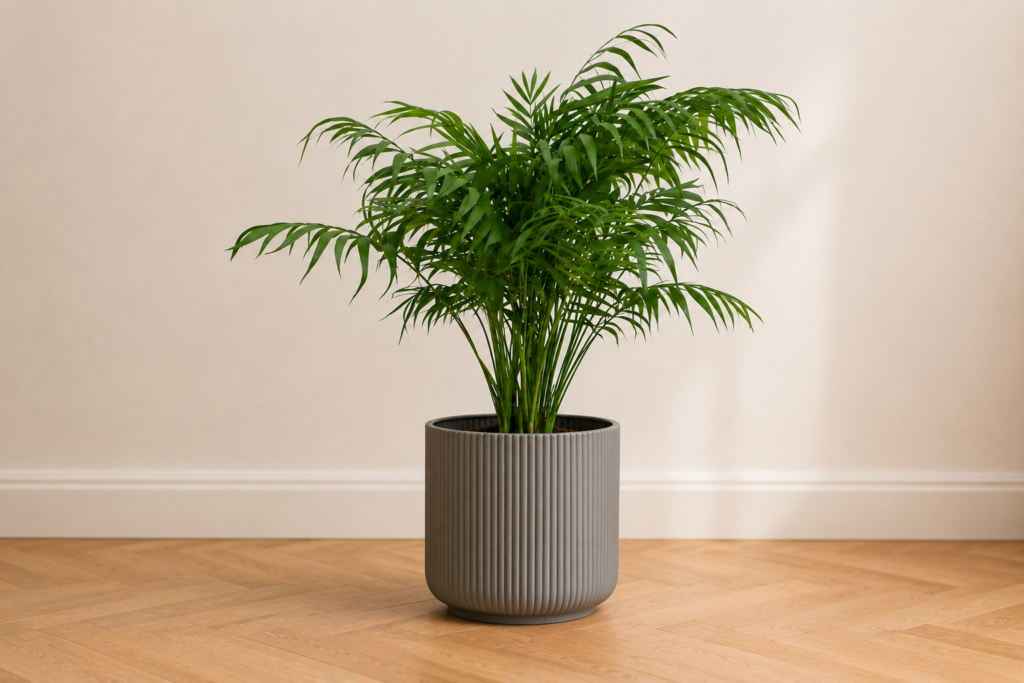
A small palm that adds a soft, natural feel to apartments.
Why it works:
Compact and slow-growing.
Light needs:
Low to medium indirect light.
Watering:
Water when the topsoil feels dry.
Why beginners like it:
Tolerates indoor conditions well.
Potential drawbacks:
Doesn’t like overwatering.
Peperomia (Various species)
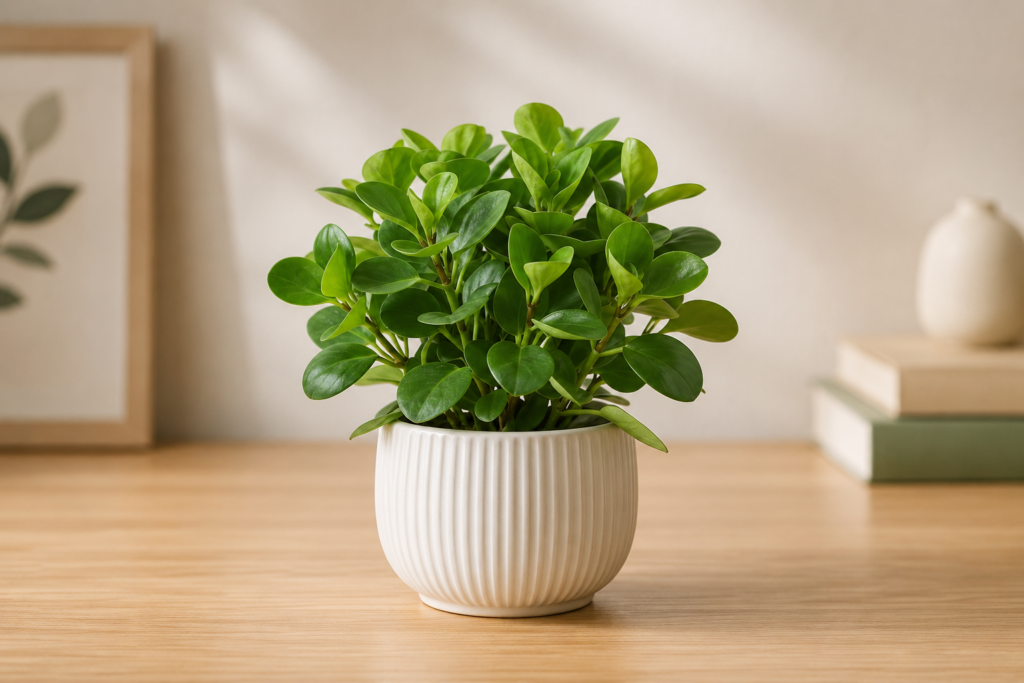
A diverse group of small houseplants with unique leaf shapes.
Why it works:
Naturally stays small and compact.
Light needs:
Medium to bright indirect light.
Watering:
Allow soil to dry slightly between watering.
Why beginners like it:
Low maintenance and decorative.
Potential drawbacks:
Sensitive to overwatering.
Quick Comparison Table
This quick comparison table will help you choose the best small indoor plants perfect for apartments based on lighting and care needs.
| Plant Name | Light Tolerance | Watering Difficulty | Beginner Friendly |
|---|---|---|---|
| Snake Plant | Low to bright | Easy | Very high |
| Pothos | Low to bright | Easy | Very high |
| ZZ Plant | Low | Very easy | Very high |
| Spider Plant | Medium | Moderate | High |
| Peace Lily | Low to medium | Moderate | High |
| Chinese Evergreen | Low to medium | Easy | High |
| Jade Plant | Bright | Easy | Medium |
| Haworthia | Bright indirect | Easy | Medium |
| Lucky Bamboo | Low to medium | Easy | High |
| Fittonia | Bright indirect | Moderate | Medium |
| Parlor Palm | Low to medium | Easy | High |
| Peperomia | Medium | Easy | High |
Best Plants by Apartment Area
- Bright windows: Jade plant, haworthia, and other small succulents usually grow best with stronger light.
- Bedrooms and living rooms: Snake plant, pothos, and ZZ plant adapt well to softer indirect light.
- Desks and shelves: Peperomia, lucky bamboo, and spider plant stay compact and fit well in small spaces.
Tips for Growing Plants in Small Apartments
Small spaces come with unique challenges, but a few simple habits can make a big difference.
Use vertical space
Shelves, wall planters, and hanging pots help you grow more plants without crowding surfaces.
Rotate plants regularly
Turn your plants every week or two so all sides get light evenly.
Avoid overwatering
Small pots dry differently than large ones. Always check the soil before watering.
If you are unsure how often to water, check this guide on how often you should water indoor plants.
Choose the right pot
Use pots with drainage holes to prevent root rot.
For better drainage and healthier roots, check this guide on the best soil mix for indoor plants.
Group plants wisely
Plants with similar light and watering needs should be kept together.
Don’t expect rapid growth
Apartment conditions often slow down growth. That’s normal.
Frequently Asked Questions
What is the easiest small indoor plant for beginners?
Snake plants and ZZ plants are some of the easiest options for beginners because they tolerate missed watering and average indoor conditions. They also grow slowly and do not need frequent repotting. Even these plants can struggle if they stay in wet soil for too long, so it is still important to avoid overwatering.
Can small indoor plants survive without sunlight?
No indoor plant can survive without any light at all. However, some apartment plants can tolerate lower light levels better than others. Plants like pothos, ZZ plants, and snake plants usually adapt well to rooms with indirect light, but growth may become slower indoors.
Which small plants are best for desks?
Compact plants like haworthia, peperomia, jade plant, and lucky bamboo work well on desks because they stay relatively small and do not spread too much. Choose plants based on the lighting near your desk. Succulents usually need brighter light, while lucky bamboo can tolerate lower light conditions.
Do small plants need less water?
Not always. Water needs depend more on the type of plant, light levels, temperature, and pot size than the plant’s overall size. For example, small succulents usually need less water than peace lilies. Checking the soil before watering is more reliable than following a fixed schedule.
What is the best plant for a small apartment with low light?
ZZ plants, snake plants, and Chinese evergreens are some of the best choices for apartments with limited natural light. They adapt well to indoor conditions and do not require constant attention. Still, placing them near a window with indirect light usually helps them stay healthier and grow better over time.
Are small succulents good for apartments?
Small succulents can work very well in apartments if you have enough light available. They are compact, easy to place on shelves or desks, and usually need less frequent watering. The main challenge is that many apartments do not receive strong sunlight throughout the day, which can cause succulents to become stretched or weak-looking over time.
Conclusion
Choosing small indoor plants perfect for apartments is less about finding the “perfect” plant and more about matching plants to your space and routine.
Start with one or two easy options like snake plant or pothos. As you get comfortable, you can add more variety. Small plants are easier to manage, quicker to move around, and ideal for learning how indoor plant care works.
Keep it simple, observe your plants, and adjust as needed. That’s how you build confidence over time.