If you’ve ever Googled how often should you water indoor plants, you’ve probably seen completely different answers. Some say every 3 days, others say once a week, and some say “it depends.” That can feel frustrating, especially when your plant starts drooping or turning yellow.
Here’s the truth: there is no single fixed watering schedule that works for every plant.
Watering depends on several factors like light, soil, pot size, and even the season. Once you understand these, watering becomes much easier and far less confusing.
In this guide, you’ll learn:
- A simple rule of thumb for watering
- What actually affects how often you water
- A step-by-step method you can follow at home
- How to tell if you’re overwatering or underwatering
- A beginner-friendly routine that works in real homes
How Often Should You Water Indoor Plants (Quick Answer)
Most indoor plants need watering every 5 to 10 days, but this is only a starting point.
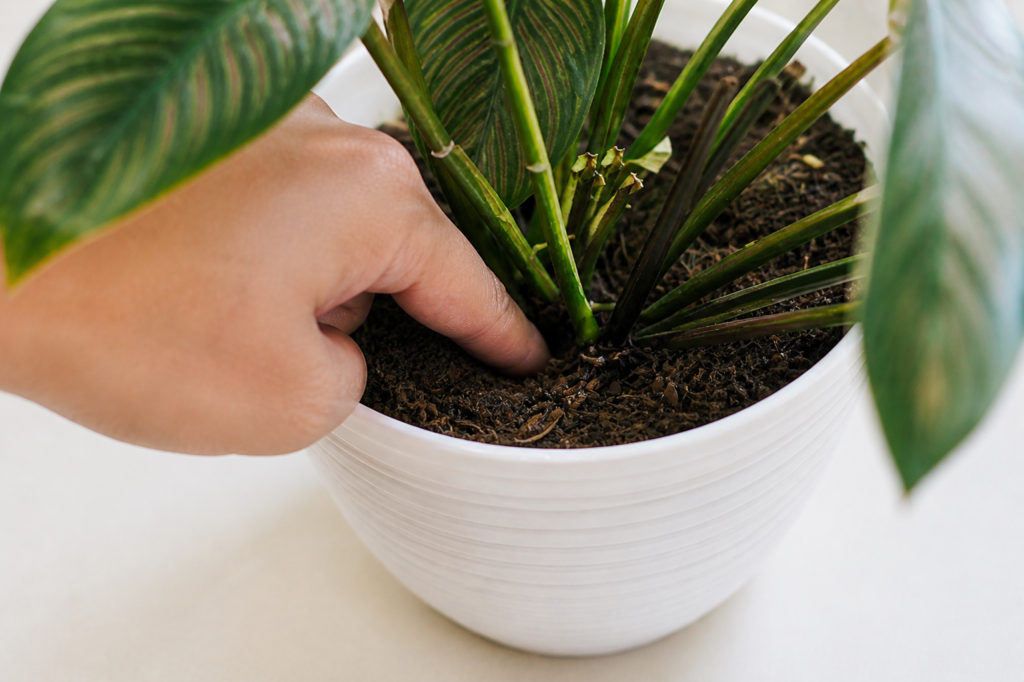
Instead of following a strict schedule, check the soil:
- Water when the top 1–2 inches of soil feels dry
- Delay watering if the soil still feels moist
In winter, watering usually drops to every 10–14 days because plants grow slower.
So if you’re asking:
- how often should you water plants indoor → every 5–10 days (on average)
- how often should you water your indoor plants → when soil is dry, not by calendar
- how often should you water indoor plants in winter → less often, around 10–14 days
What Affects How Often You Water Indoor Plants
Understanding these factors is what separates struggling plants from thriving ones.
Light Levels
Plants in bright light dry out faster.
- Near a sunny window → water more often
- In low light corners → water less often
Low light plants are often overwatered because the soil stays wet longer.
Pot Size and Material
- Small pots dry quickly → need more frequent watering
- Large pots hold moisture longer → need less frequent watering
- Terracotta pots dry out faster than plastic or ceramic
Soil Type
- Well-draining soil dries faster (good for most indoor plants)
- Dense or compact soil holds water longer (higher risk of overwatering)
Temperature and Humidity
- Hot, dry rooms → soil dries quickly
- Cool, humid rooms → soil stays wet longer
Air conditioners and heaters can dry soil faster than expected.
Plant Type
Different plants have different water needs:
- Tropical plants (like pothos, peace lily) → moderate watering
- Succulents → very little water
- Ferns → need consistently moist soil
If you’re unsure, it helps to check specific care guides like your Houseplant Care 101: A Beginner’s Guide to Healthy Indoor Plants.
How to Water Indoor Plants Correctly (Step-by-Step)
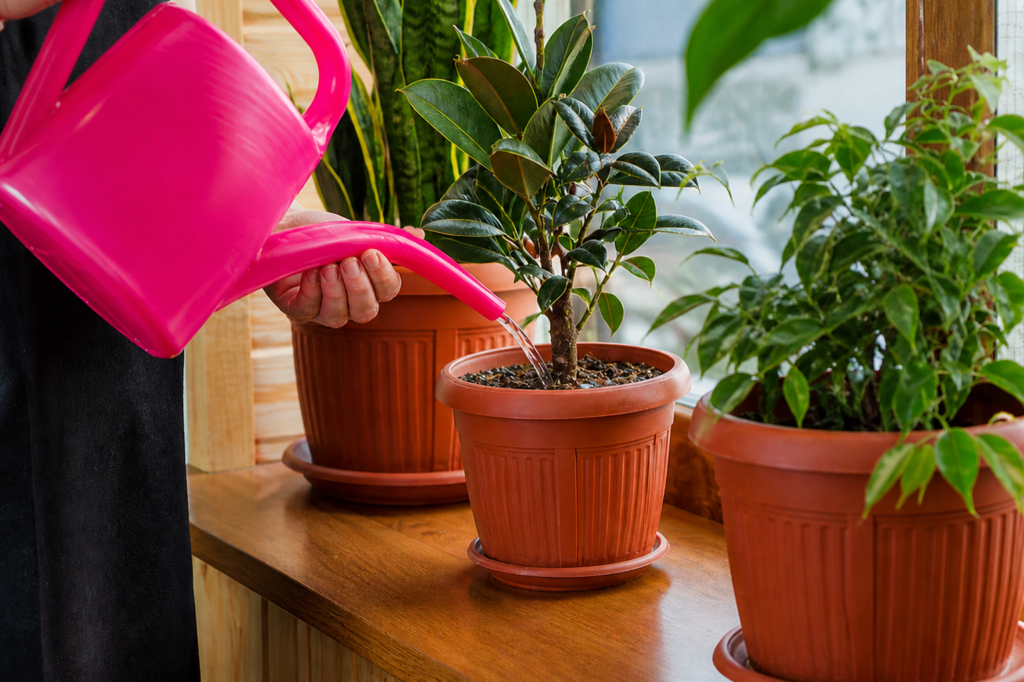
This is the method beginners should follow every time.
Step 1: Check the Soil First
Insert your finger into the soil about 1–2 inches deep.
- Dry → time to water
- Slightly moist → wait
- Wet → do not water
Avoid: watering just because “it’s been a week.”
Step 2: Use the Right Amount of Water
Water slowly and evenly across the soil.
- Stop when water starts draining from the bottom
- This ensures roots receive proper hydration
Avoid: giving small sips of water. This leads to weak root growth.
Step 3: Let Excess Water Drain Out
Always use pots with drainage holes.
- Empty the saucer after watering
- Do not let roots sit in standing water
Avoid: waterlogged soil, which causes root rot
Step 4: Adjust Based on Conditions
Observe how long your plant takes to dry out.
- Dries in 3 days → water more frequently
- Stays wet for 10 days → water less
This helps you build a natural rhythm.
Signs You’re Doing It Right (and Wrong)
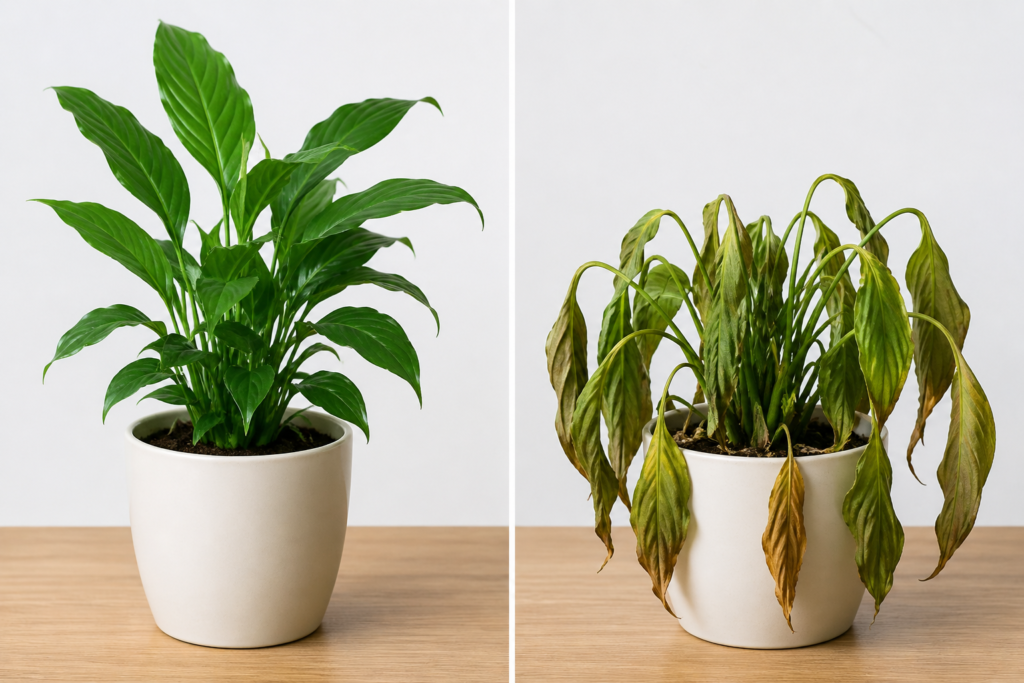
Plants give clear signals. You just need to recognize them.
Signs of Correct Watering
- Leaves look firm and healthy
- Steady growth
- Soil dries at a consistent rate
- No foul smell from soil
Signs of Overwatering
- Yellowing leaves (common issue, see your guide on Why Is My Pothos Turning Yellow?)
- Mushy stems
- Soil stays wet for too long
- Fungus or mold on soil surface
Signs of Underwatering
- Dry, crispy leaf edges
- Drooping leaves
- Soil pulling away from pot edges
- Slow or stunted growth
Common Mistakes to Avoid
Following a Fixed Schedule
This is the biggest mistake.
Plants don’t follow calendars. Your environment changes constantly.
Overwatering
Most indoor plants die from too much water, not too little.
Beginners often assume drooping = need more water, which makes things worse.
Ignoring Seasonal Changes
Water needs change throughout the year.
- Summer → more water
- Winter → less water
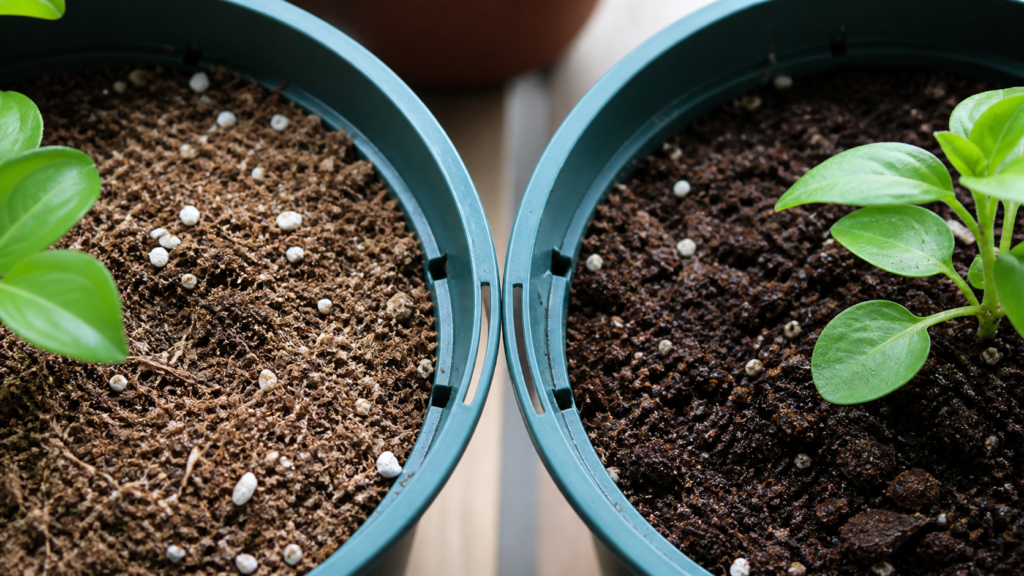
Using the Wrong Soil
Poor drainage traps water and suffocates roots.
If needed, consider improving your mix with help from Best Soil Mix for Indoor Plants.
Not Checking the Soil
Visual guessing is unreliable.
Always use the finger test.
Adjusting Your Routine for Different Conditions
In Summer
- Plants grow actively
- Soil dries faster
- Water more frequently
In Winter
- Growth slows down
- Soil stays moist longer
- Reduce watering
This directly answers how often should you water indoor plants in winter → less often, sometimes half as much.
Indoor vs Outdoor Placement
- Balcony or near windows → dries faster
- Interior rooms → dries slower
Climate Differences
- Dry climates → more watering
- Humid climates → less watering
Simple Care Routine for Beginners
Here’s a realistic weekly routine you can follow:
2–3 Times a Week
- Check soil moisture with your finger
Once a Week
- Water plants that are dry
- Rotate pots for even growth
Every 2 Weeks
- Inspect leaves for problems
- Clean dust from leaves
Monthly
- Observe growth and adjust watering habits
This routine prevents both overwatering and neglect.
Frequently Asked Questions
Can I water plants at night?
Yes, but morning is better. It allows excess moisture to evaporate during the day.
How do I know if soil is dry without touching it?
You can use:
- A wooden stick (comes out clean = dry)
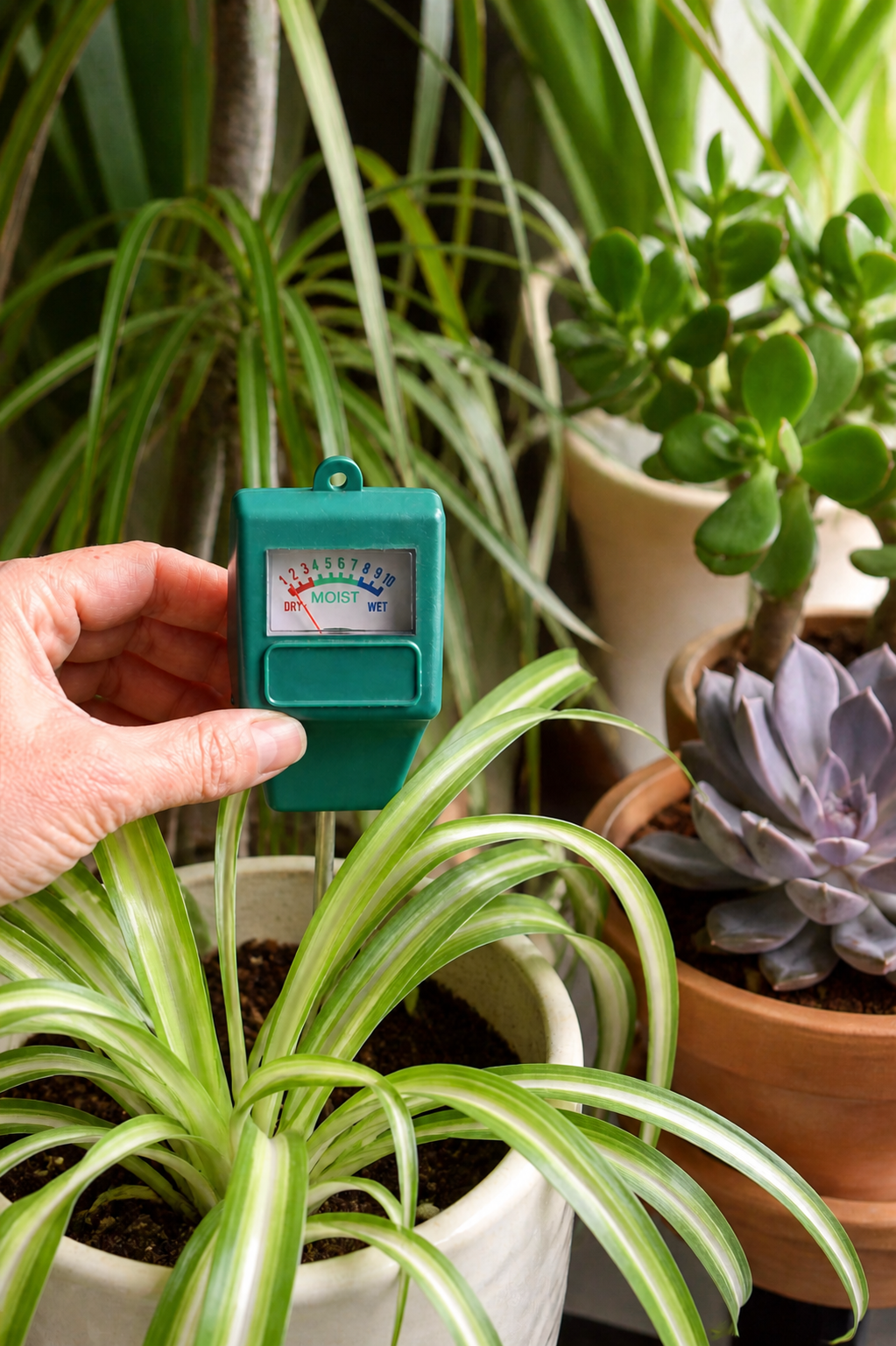
- A moisture meter
But the finger test is still the easiest and most reliable.
Should I mist my plants?
Misting helps slightly with humidity but does not replace watering.
Is tap water okay?
Usually yes. Letting it sit overnight can help remove chlorine.
Why are my leaves turning yellow?
Most often due to overwatering. Check your watering habits and soil drainage.
How often should I water small plants?
Small pots dry faster, so they may need watering every 3–5 days.
Can I water all plants the same way?
No. Always adjust based on plant type, light, and environment.
Conclusion
So, how often should you water indoor plants?
The honest answer is: when your plant actually needs it, not when the calendar says so.
Once you start checking the soil and observing your plant:
- Watering becomes predictable
- Problems become easier to fix
- Your plants grow healthier
If you remember just one thing, let it be this:
Always check the soil before watering.
With a little observation and consistency, you’ll quickly move from guessing to understanding exactly what your plants need.