The best indoor plants for beginners are often the ones that tolerate mistakes, adapt to average indoor conditions, and don’t require constant attention. If you’re a first-time plant owner, choosing the right plant can make the experience much more enjoyable.
There are plenty of easy indoor plants for beginners that are forgiving, adaptable, and surprisingly resilient. These plants don’t expect you to be perfect. They simply need basic care and a little attention.
This guide will help you confidently choose the best indoor plants for beginners, understand what makes them easy, and set realistic expectations so you actually enjoy the process.
What Makes a Plant Easy for Beginners
Not all plants are beginner-friendly, and that’s where most people struggle. The easiest plants share a few simple traits:
They tolerate missed watering
Life gets busy. Beginner plants can handle being forgotten occasionally without immediately declining.
They adapt to indoor light
You don’t need a perfectly sunny window. Most indoor plants for beginners can manage in average or even low light.
They grow slowly
Fast-growing plants often need frequent pruning or repotting. Slower growers are easier to manage.
They recover from mistakes
Overwater once? Forgot watering for a week? Easy plants usually bounce back.
If a plant checks most of these boxes, it’s a good starting point.
10 Best Indoor Plants for Beginners
Here are 10 of the best indoor plants for beginners that are low-risk, forgiving, and ideal for your first plant journey.
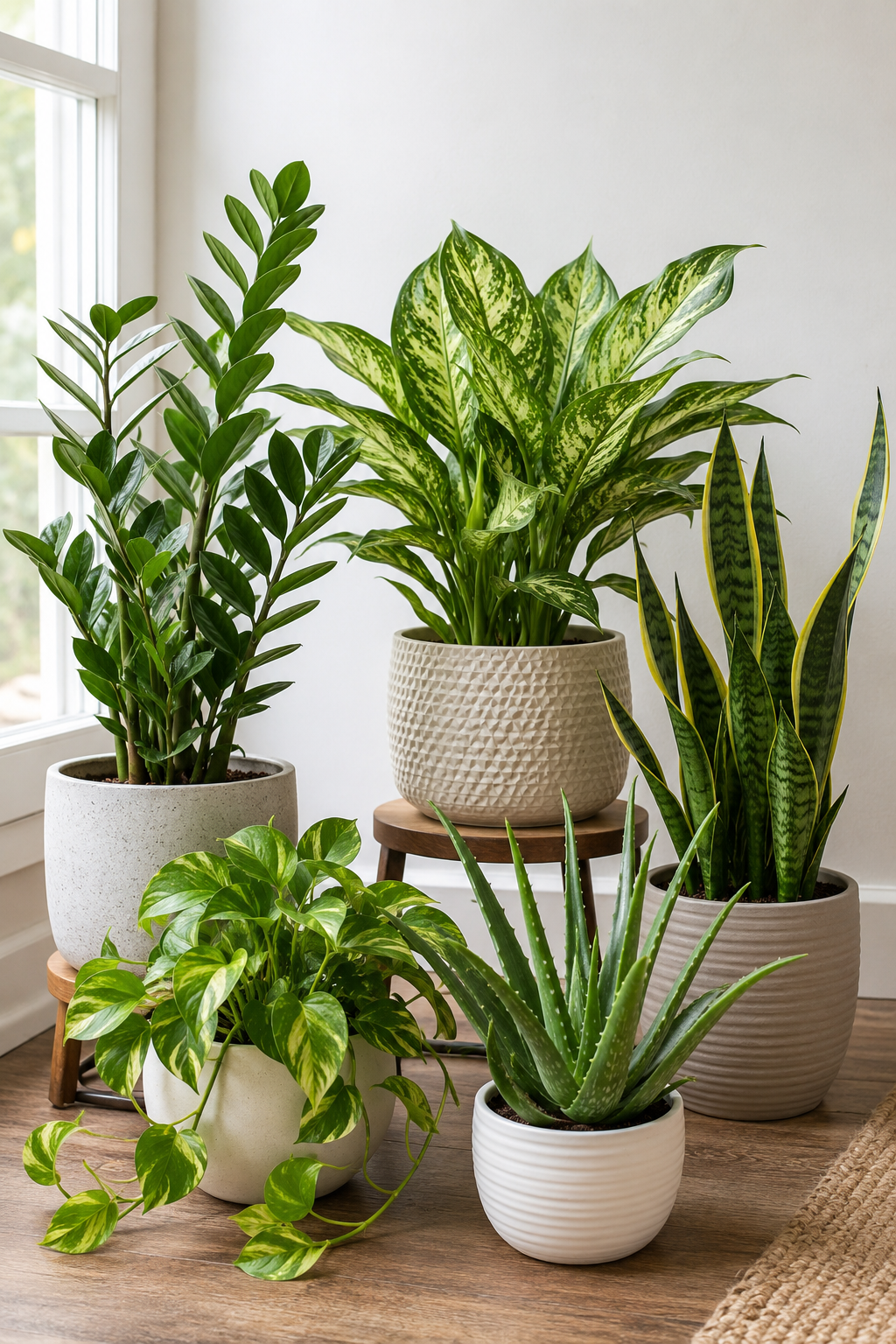
Snake Plant (Sansevieria)
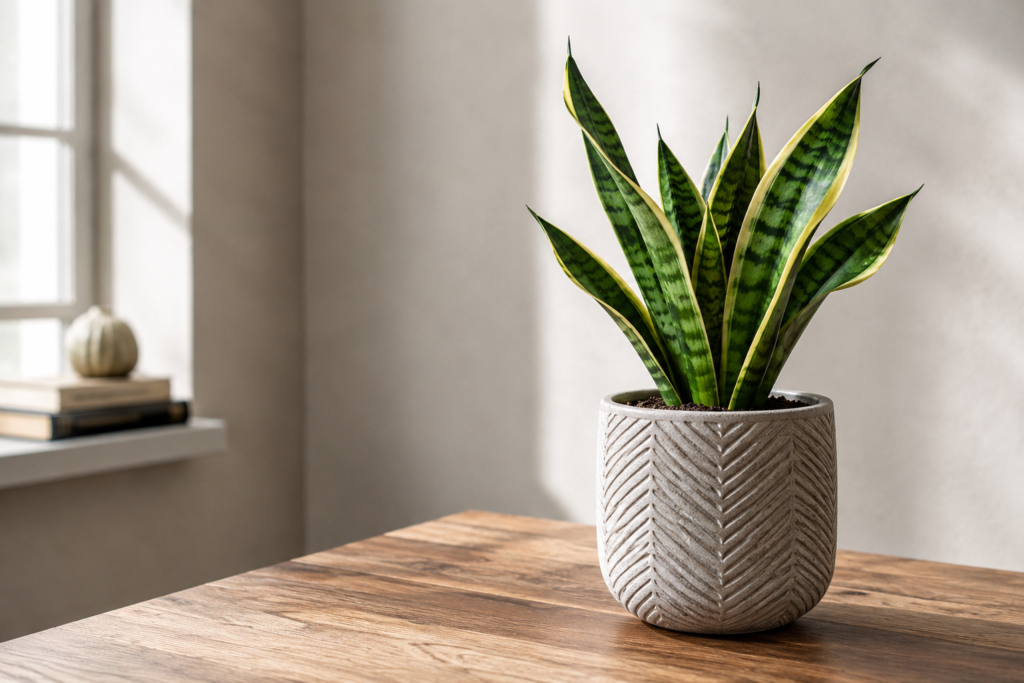
Why it’s beginner-friendly
This is often the first recommendation for a reason. It’s extremely tolerant and doesn’t demand frequent care. Many people consider it one of the best indoor plants for beginners because it can handle occasional neglect better than most houseplants.
Light needs
Does well in low to bright indirect light.
Watering
Water only when the soil is completely dry. It prefers neglect over overwatering.
What to watch out for
Overwatering is the main issue. It can also be mildly toxic to pets.
Want to learn more? See our Snake Plant Care Guide for watering, light, and long-term care tips.
Pothos (Money Plant)
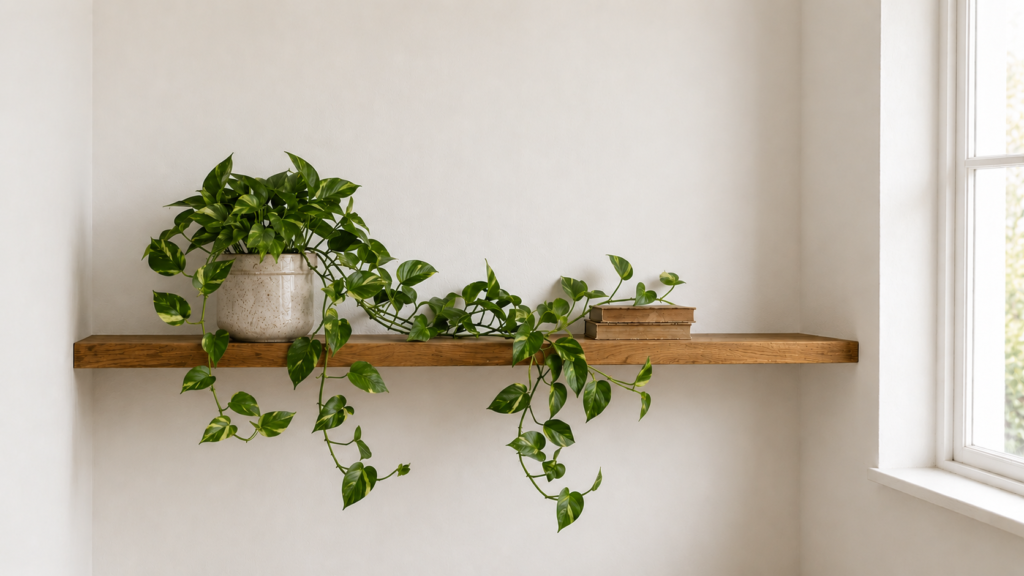
Why it’s beginner-friendly
Very forgiving and grows even if you don’t do everything right.
Light needs
Handles low to medium light well.
Watering
Water when the topsoil feels dry. It bounces back easily if slightly neglected.
What to watch out for
Leaves may turn yellow if overwatered.
If you choose pothos as your first plant, check out our Pothos Plant Care Guide for Beginners for a complete care walkthrough.
Spider Plant
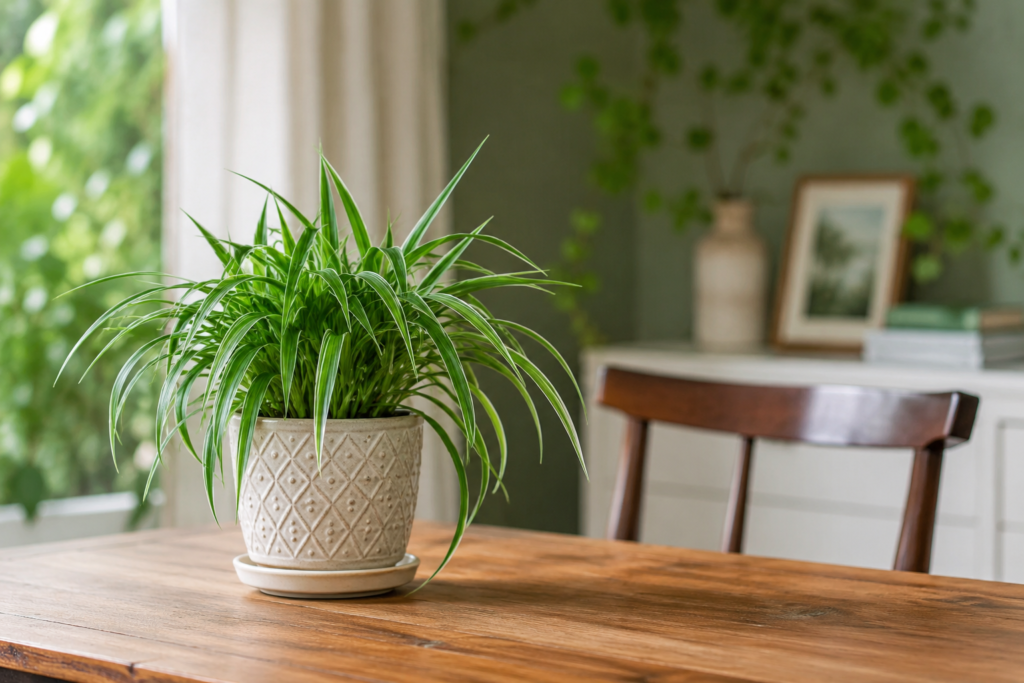
Why it’s beginner-friendly
Adapts easily and even produces baby plants.
Light needs
Prefers bright indirect light but tolerates moderate light.
Watering
Keep soil slightly moist but not soggy.
What to watch out for
Brown tips can appear due to water quality or dryness.
ZZ Plant (Zamioculcas zamiifolia)
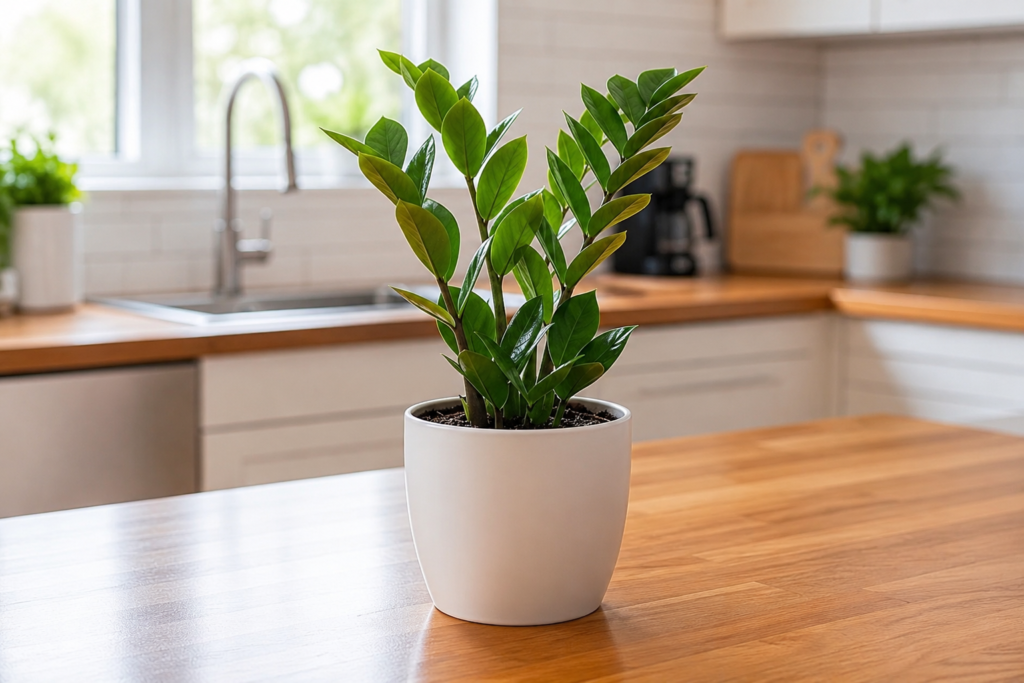
Why it’s beginner-friendly
One of the most low-maintenance plants available.
Light needs
Thrives in low to bright indirect light.
Watering
Water sparingly. It stores water in its roots.
What to watch out for
Too much water can cause root rot.
Peace Lily
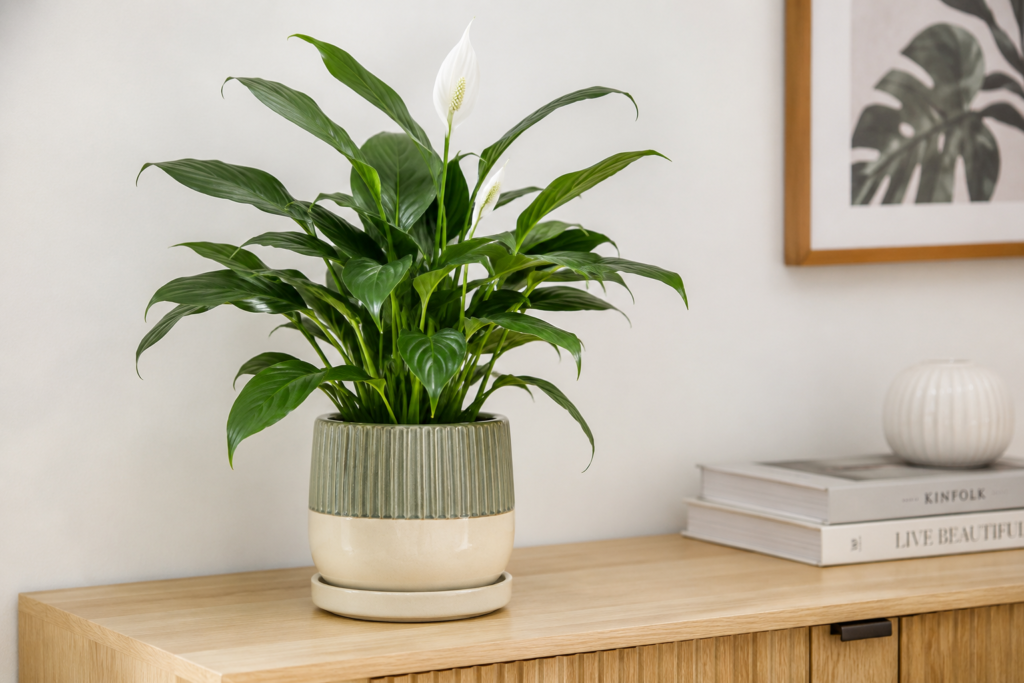
Why it’s beginner-friendly
Clearly shows when it needs water by drooping.
Light needs
Low to medium light.
Watering
Water when leaves start to droop.
What to watch out for
Overwatering and sensitivity to chemicals in tap water.
Aloe Vera
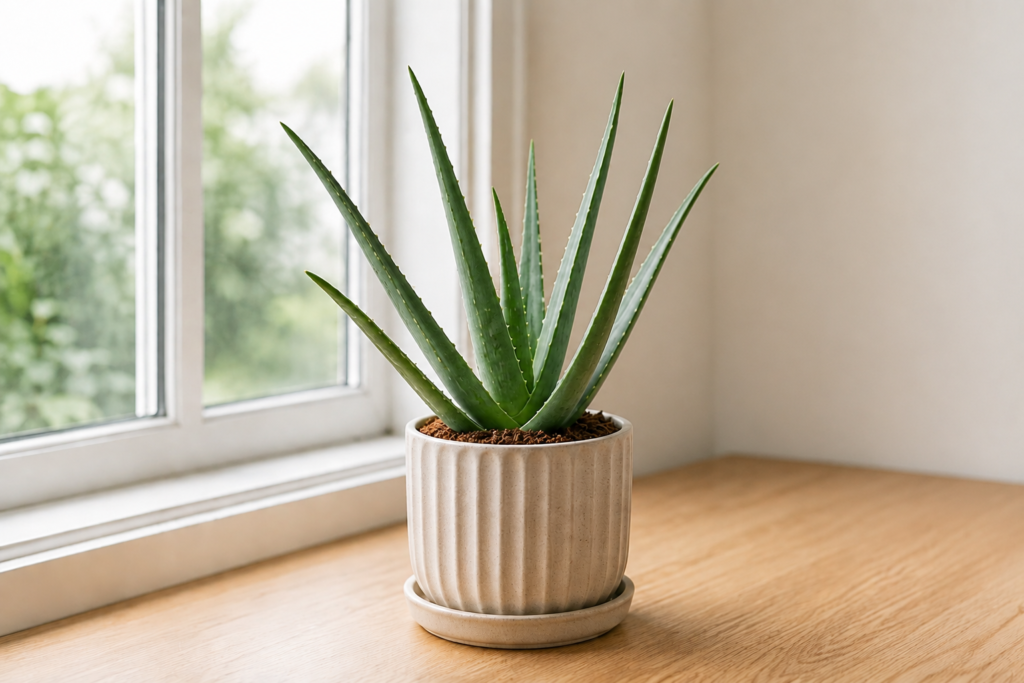
Why it’s beginner-friendly
Stores water in its leaves, making it drought-tolerant.
Light needs
Bright indirect light or some direct sunlight.
Watering
Water deeply but infrequently.
What to watch out for
Too much water is the biggest risk.
Rubber Plant
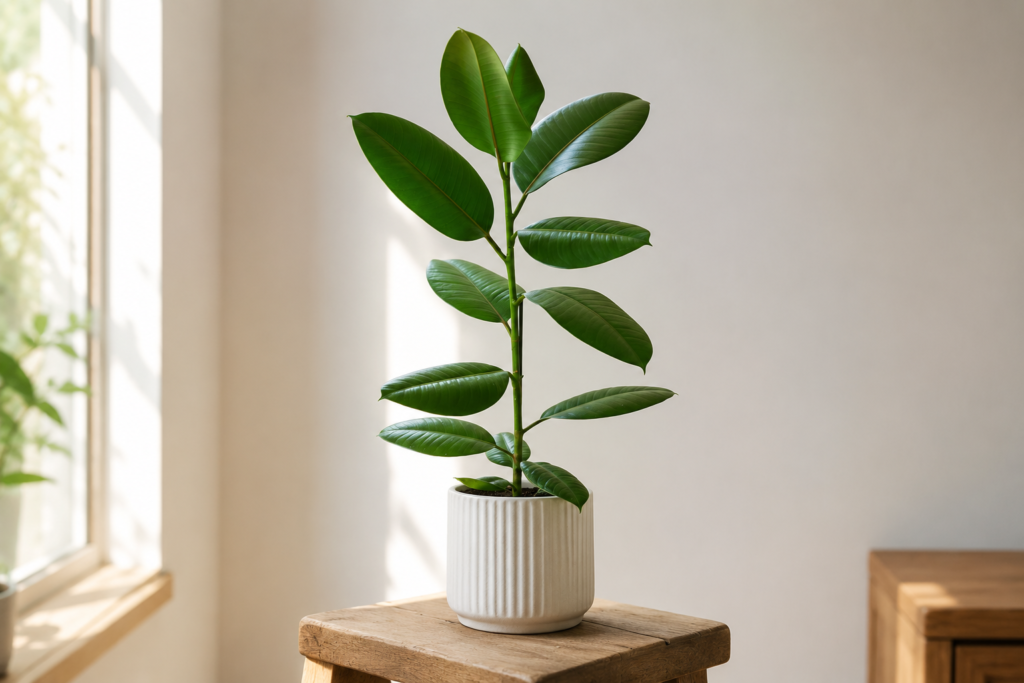
Why it’s beginner-friendly
Strong, adaptable, and visually striking.
Light needs
Medium to bright indirect light.
Watering
Let the topsoil dry before watering.
What to watch out for
Leaf drop if moved frequently.
Chinese Evergreen (Aglaonema)
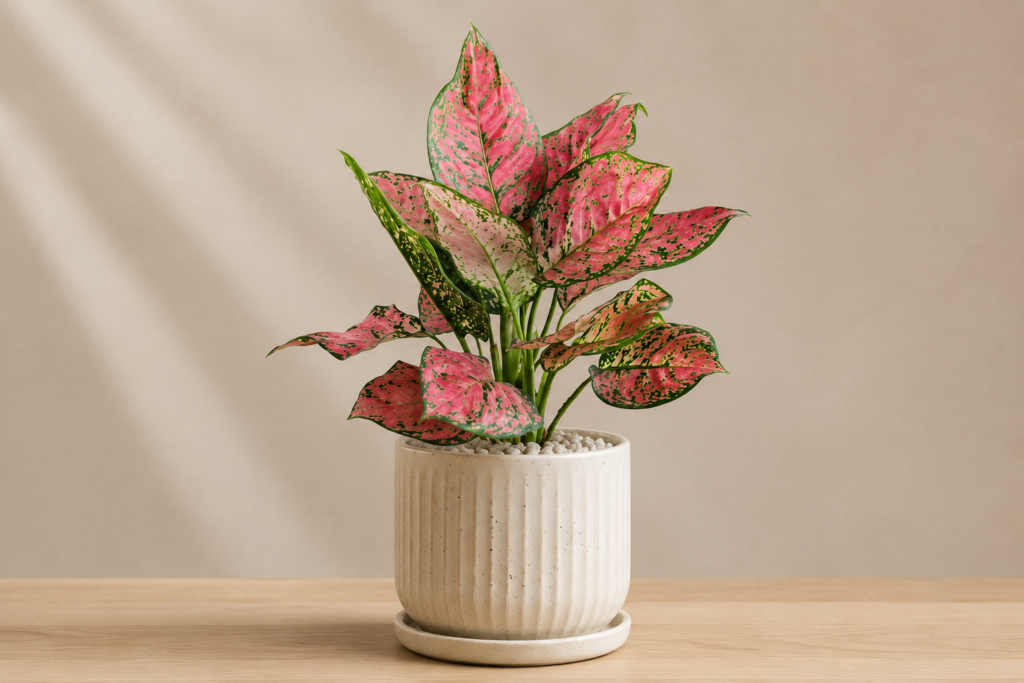
Why it’s beginner-friendly
Handles low light and irregular care well.
Light needs
Low to medium light.
Watering
Moderate watering. Don’t let soil stay soggy.
What to watch out for
Sensitive to cold drafts.
Jade Plant
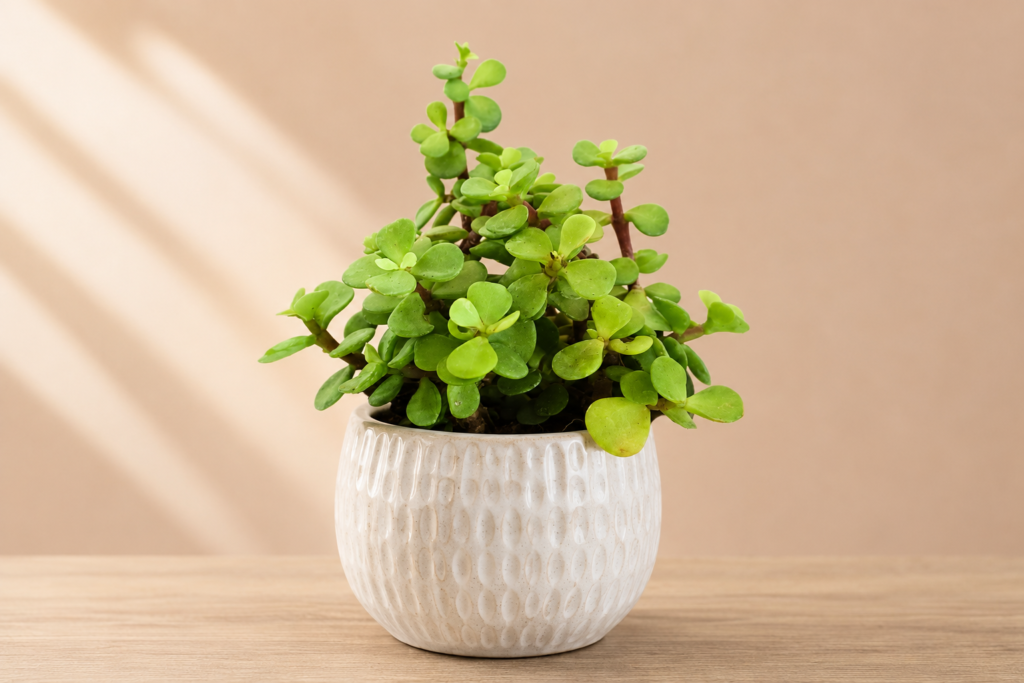
Why it’s beginner-friendly
A sturdy succulent that doesn’t need frequent watering.
Light needs
Bright light.
Watering
Water only when soil is dry.
What to watch out for
Needs good drainage.
Parlor Palm
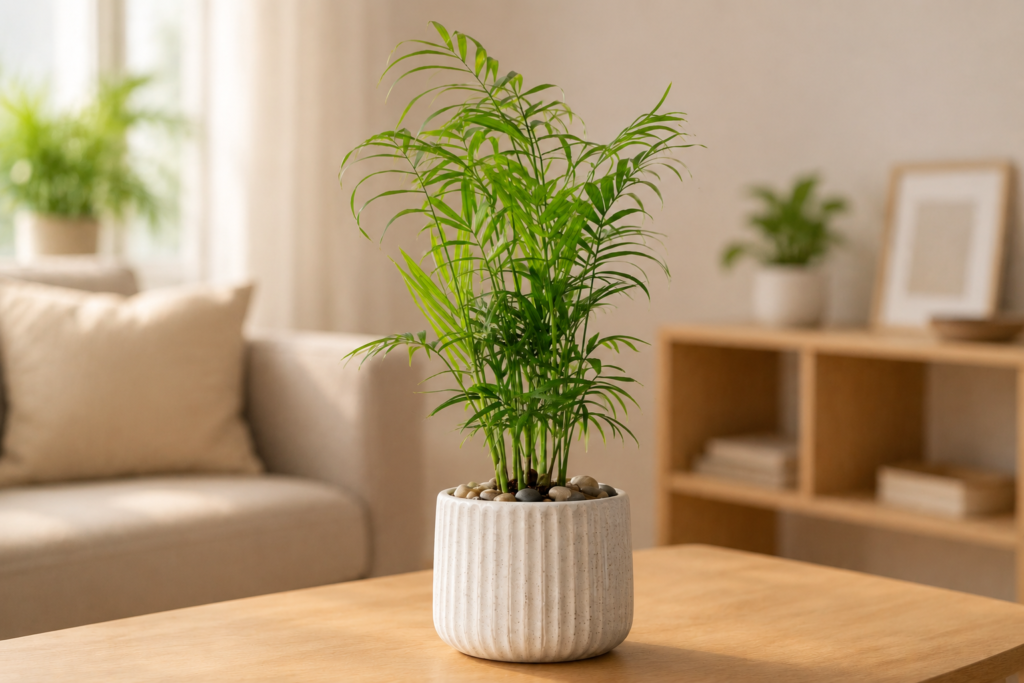
Why it’s beginner-friendly
A classic indoor plant that tolerates indoor conditions well.
Light needs
Low to medium light.
Watering
Keep soil lightly moist.
What to watch out for
Overwatering and poor drainage.
Quick Comparison Table
| Plant Name | Light Level | Watering Difficulty | Difficulty Level |
|---|---|---|---|
| Snake Plant | Low to Bright | Very Low | Very Easy |
| Pothos | Low to Medium | Easy | Very Easy |
| Spider Plant | Medium | Easy | Easy |
| ZZ Plant | Low to Bright | Very Low | Very Easy |
| Peace Lily | Low to Medium | Moderate | Easy |
| Aloe Vera | Bright | Very Low | Easy |
| Rubber Plant | Medium to Bright | Moderate | Easy |
| Aglaonema | Low to Medium | Easy | Very Easy |
| Jade Plant | Bright | Low | Easy |
| Parlor Palm | Low to Medium | Moderate | Easy |
Tips for First-Time Plant Owners
Even the best indoor plants for beginners will have slightly different needs, so it’s helpful to spend a little time observing how each plant responds to your home.
Start small. One or two plants are enough in the beginning.
Don’t follow a strict watering schedule. Check the soil instead.
Observe your plant before reacting. Yellow leaves or drooping often have simple explanations.
Always use pots with drainage. It prevents most beginner mistakes.
If you’re unsure where to begin, check out our Houseplant Care 101 to learn the basic principles that make indoor plant care much easier.
Frequently Asked Questions
What is the hardest plant to kill?
No indoor plant is completely impossible to kill, but Snake Plants and ZZ Plants are among the most forgiving. They can handle occasional missed watering and adapt well to typical indoor conditions. That’s why they’re often recommended for first-time plant owners.
Which plant needs the least care?
The ZZ Plant is one of the lowest-maintenance houseplants you can grow. It doesn’t need frequent watering and can tolerate lower light levels than many other plants. As long as you avoid overwatering, it usually asks for very little attention.
Can beginners grow plants in low light?
Yes. Many beginner-friendly plants can grow well in rooms that don’t receive a lot of natural light. Snake Plants, Pothos, ZZ Plants, and Chinese Evergreens are all good examples. While growth may be slower, they can still stay healthy in these conditions.
How often should beginners water plants?
There isn’t a single watering schedule that works for every plant. Factors like light, temperature, and pot size all affect how quickly soil dries out. A better approach is to check the soil before watering rather than watering on specific days.
Is it better to start with one plant or many?
Starting with one or two plants is usually the easiest approach. It gives you time to learn how plants respond to your home environment without feeling overwhelmed. Once you gain confidence, you can gradually add more plants to your collection.
What is the most common mistake beginners make?
Overwatering is one of the most common problems for new plant owners. Many people water out of concern rather than checking whether the plant actually needs it. Learning to wait until the soil begins to dry can prevent many common plant issues.
Conclusion
You don’t need perfect skills or perfect conditions to start growing plants indoors. The key is choosing the right plants for beginners indoor and keeping things simple.
These are some of the best indoor plants for beginners because they are forgiving, adaptable, and easier to care for than many other houseplants.
Start with one easy plant. Learn how it behaves. Build confidence slowly.
Plant care becomes easier with experience, not perfection.