Many homes and apartments simply don’t receive strong natural sunlight. North-facing windows, shaded balconies, tall buildings nearby, or small apartment layouts can all limit how much light enters a room. For new plant owners, this often leads to frustration. Plants struggle, leaves yellow, and beginners assume they “don’t have a green thumb.”
The good news is that many indoor plants naturally grow on forest floors or shaded environments. These plants are adapted to lower light levels and can thrive in typical homes where sunlight is limited.
Choosing the right plant for your lighting conditions makes plant care much easier. Instead of constantly struggling to keep a plant alive, you can grow species that naturally tolerate indoor lighting.
In this guide, you’ll discover the best indoor plants for beginners low light conditions, along with practical care advice to help you keep them healthy. Whether you live in a small apartment, have shaded rooms, or simply want easy plants to start with, this list will help you find the right option. These plants are carefully selected to perform well in apartments and shaded rooms, making them ideal if you are searching for the best indoor plants for beginners low light setups.
What Makes a Plant Good for Low Light?
When people say a plant grows in “low light,” it does not mean complete darkness. Plants still need some light to survive.
In indoor plant care, low light typically means areas that receive indirect light, such as:
-
Rooms with north-facing windows
-
Spaces a few feet away from windows
-
Rooms with filtered or shaded sunlight
-
Hallways or offices with moderate daylight
These locations don’t receive strong direct sun, but they still have ambient brightness during the day.
One common mistake beginners make is assuming plants can survive in dark corners or windowless rooms. Even the most tolerant plants still require some natural light. If a room remains dark all day, plants will eventually decline.
Another misunderstanding is expecting fast growth in low light. Plants growing in dimmer environments usually grow slower. This is normal and does not mean the plant is unhealthy.
Plants suited for low light typically have adaptations such as larger leaves or slower growth habits. These traits allow them to capture and use available light more efficiently indoors.
Best Indoor Plants for Beginners Low Light
Many plants tolerate lower light conditions, but some are particularly beginner friendly. These plants are known for their resilience, simple care needs, and ability to adapt to typical indoor environments.
Below are some of the best indoor plants for beginners low light environments that are easy to grow and maintain indoors.
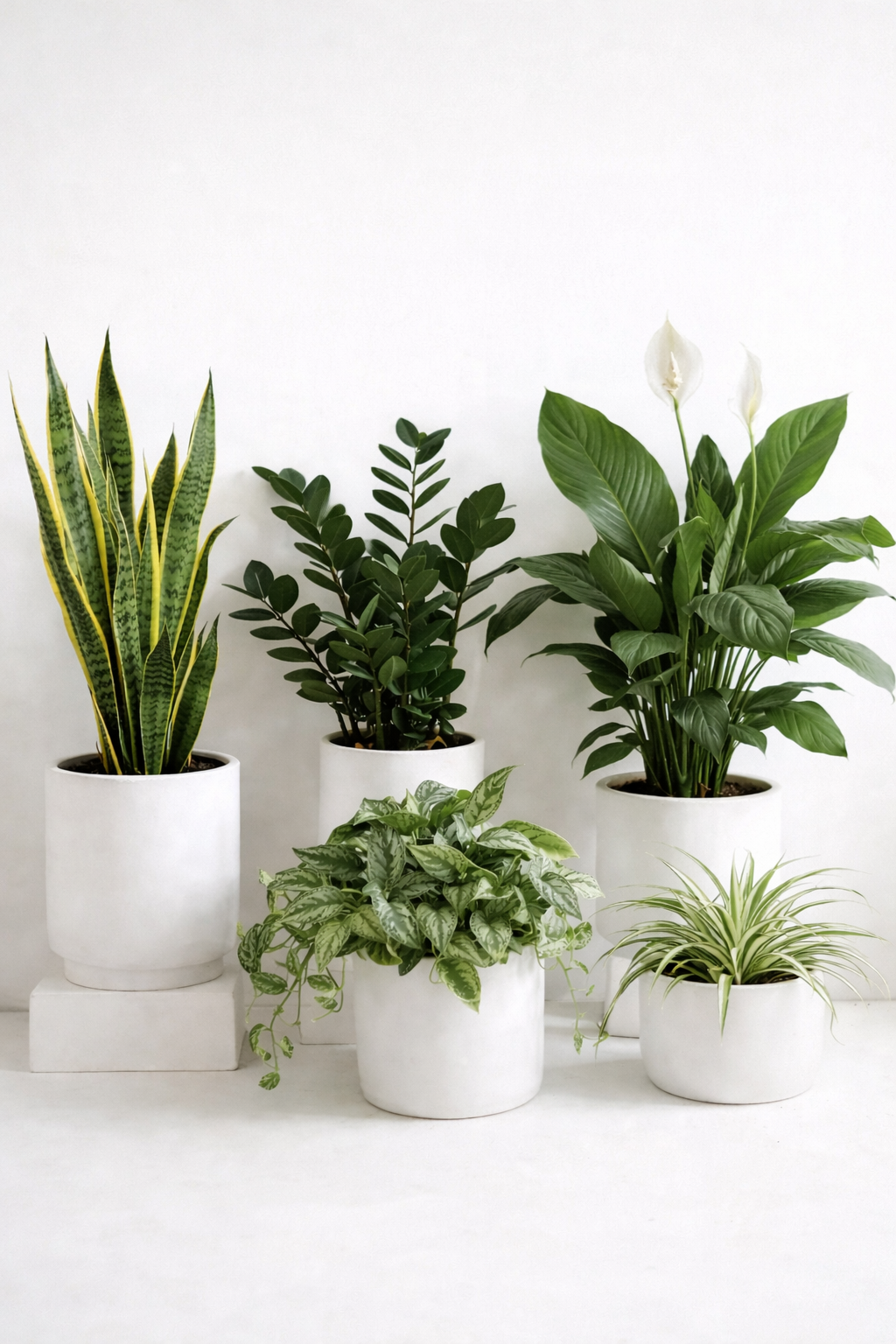
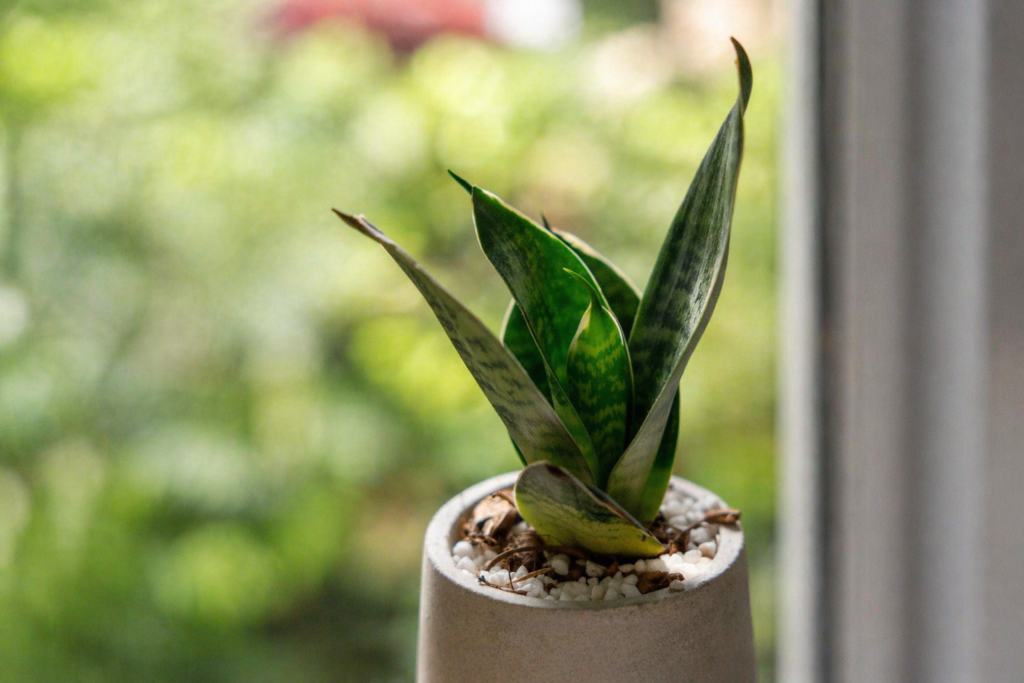
Snake Plant (Sansevieria / Dracaena trifasciata)
Snake plants are widely considered one of the easiest houseplants to grow. Their upright, sword-shaped leaves add structure to indoor spaces while requiring very little maintenance.
This plant naturally grows in dry and shaded environments, which makes it well suited for indoor homes with limited sunlight.
Light needs
Snake plants tolerate a wide range of light conditions. They grow best in bright indirect light but can also adapt to low light areas such as bedrooms, hallways, and offices.
Watering
Water sparingly. Allow the soil to dry completely before watering again. Overwatering is the most common problem for snake plants.
Why beginners like it
Snake plants are extremely forgiving. They tolerate occasional neglect, irregular watering, and varying lighting conditions.
Potential drawbacks
Growth can be slow in low light. The plant is also mildly toxic to pets if ingested.
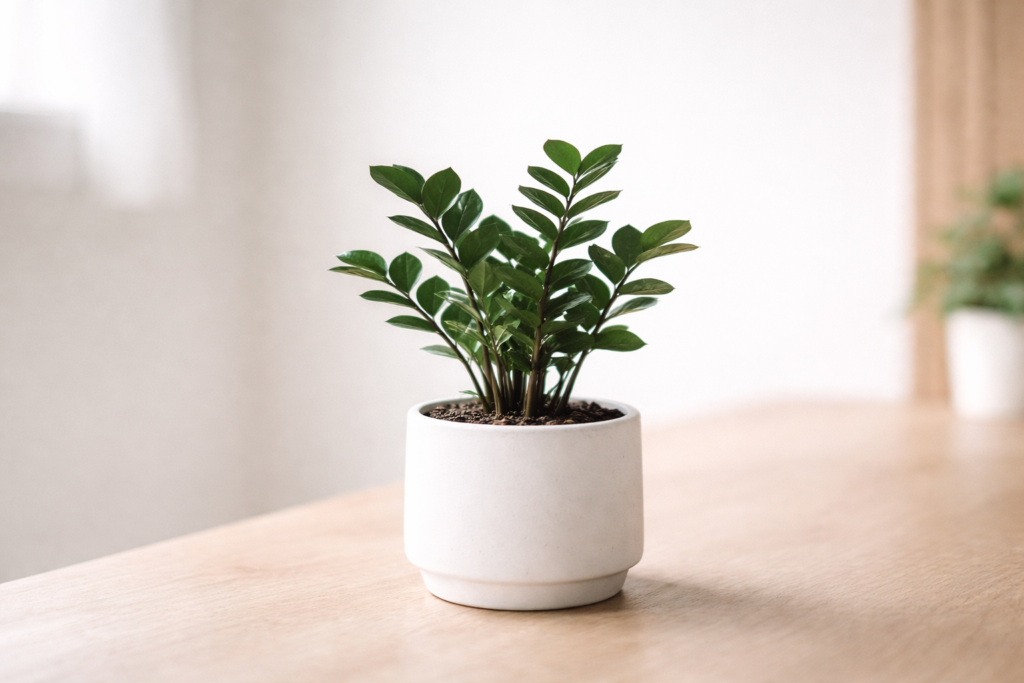
ZZ Plant (Zamioculcas zamiifolia)
The ZZ plant is one of the toughest indoor plants available. Its glossy, deep green leaves grow on thick stems that store water, helping the plant survive periods of neglect.
Because of its ability to tolerate dim spaces, it is often used in offices and apartments.
Light needs
ZZ plants handle low light very well and can survive in rooms with minimal natural sunlight. They still grow best with indirect light but tolerate dim corners better than most plants.
Watering
Water every two to three weeks. The thick rhizomes store water, so the soil should dry out between waterings.
Why beginners like it
It requires very little attention and rarely suffers from pests or diseases.
Potential drawbacks
Growth is slow in low light. Like snake plants, it is toxic to pets.
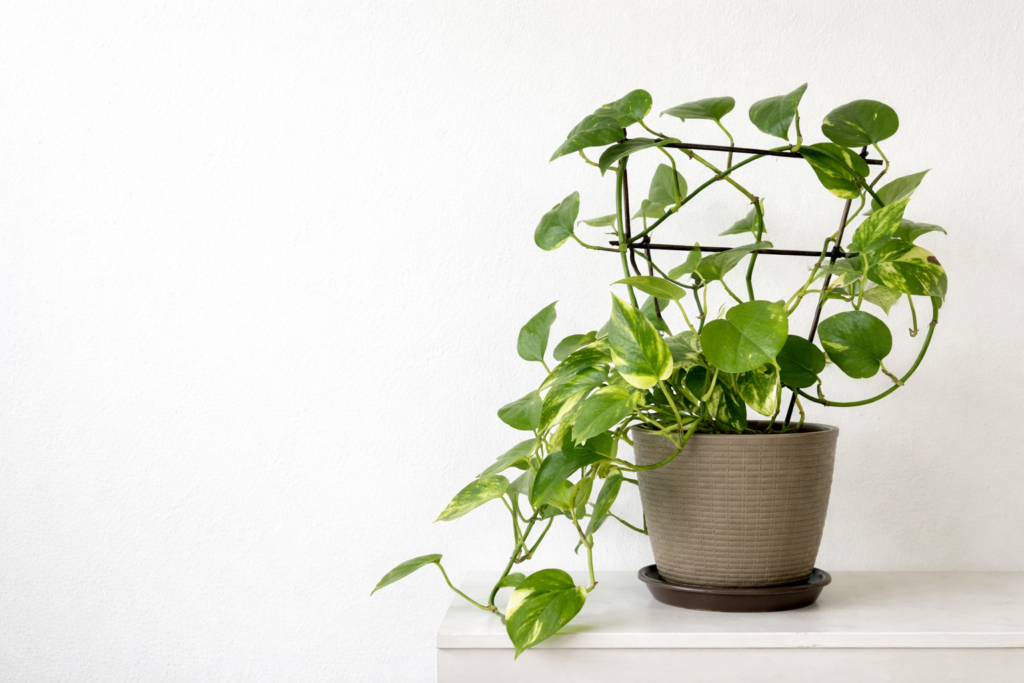
Pothos (Epipremnum aureum)
Pothos is a classic beginner houseplant known for its trailing vines and heart-shaped leaves. It adapts well to many indoor conditions and can grow in hanging baskets or pots.
Because of its flexibility and resilience, pothos is often recommended for first-time plant owners.
Light needs
Pothos grows best in bright indirect light but also adapts well to lower light conditions.
Watering
Water when the top inch of soil becomes dry. Pothos prefers slightly moist soil but tolerates occasional drying.
Why beginners like it
It grows quickly, is easy to propagate, and forgives occasional missed watering.
Potential drawbacks
Variegated varieties may lose some leaf patterns in very low light.
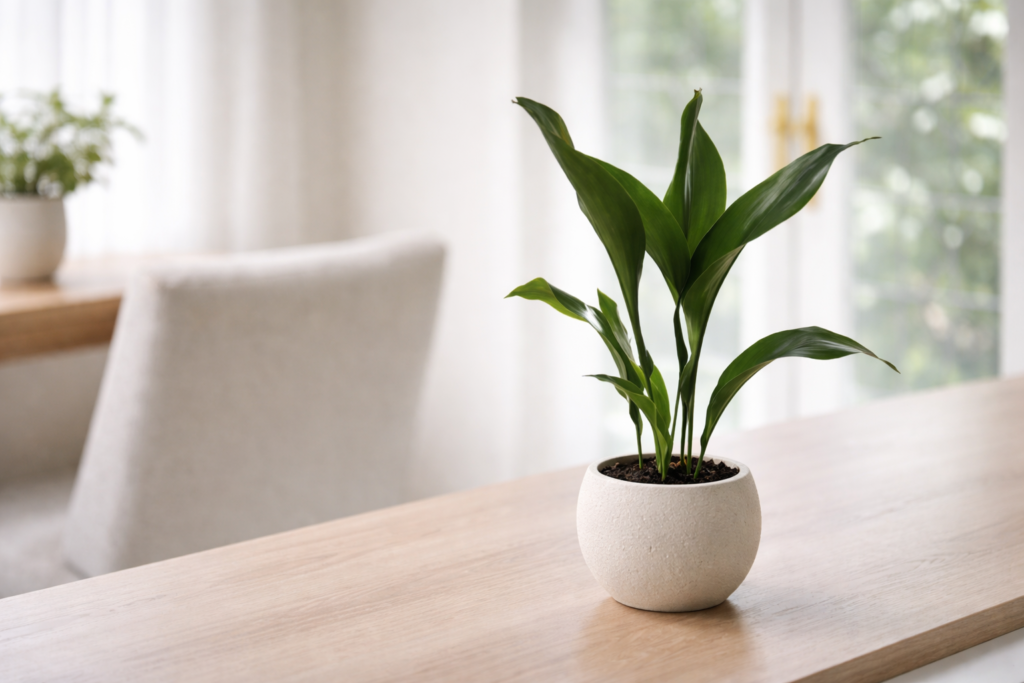
Cast Iron Plant (Aspidistra elatior)
True to its name, the cast iron plant is famous for its durability. It was a popular houseplant in Victorian homes where indoor lighting was limited.
This plant has long, dark green leaves and grows slowly but steadily.
Light needs
Cast iron plants tolerate deep shade better than most indoor plants and perform well in rooms with minimal sunlight.
Watering
Water when the top layer of soil dries out. It prefers moderate watering but does not like soggy soil.
Why beginners like it
It is extremely tolerant of neglect, irregular watering, and temperature fluctuations.
Potential drawbacks
Growth is slow, and it does not produce dramatic foliage compared to more decorative plants.
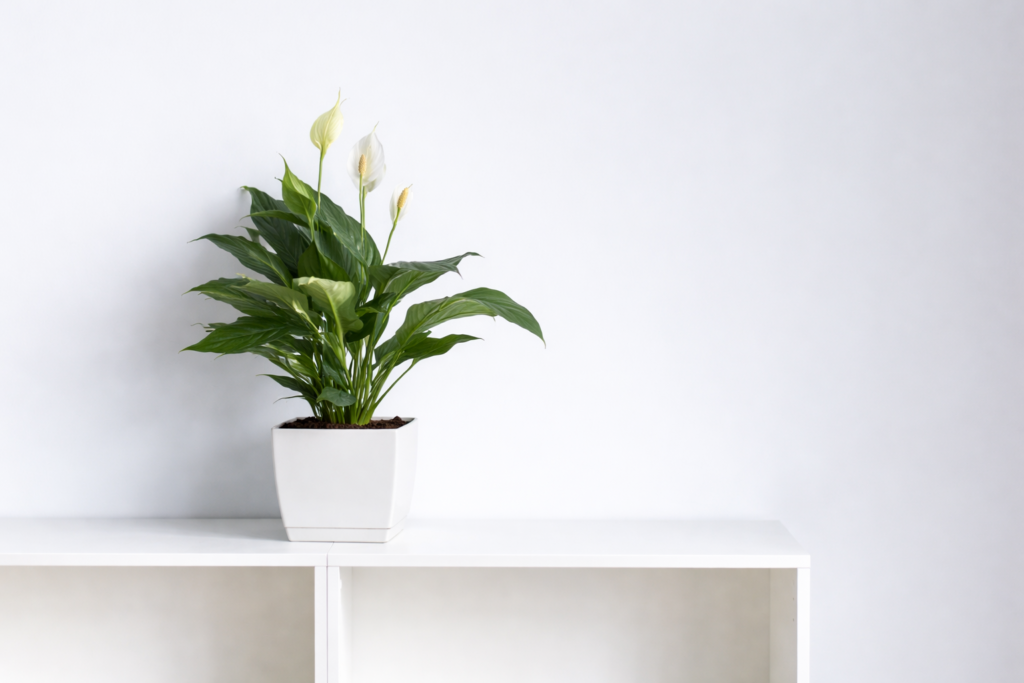
Peace Lily (Spathiphyllum)
Peace lilies are popular indoor plants known for their elegant white flowers and lush green leaves. They are also relatively adaptable to lower light conditions.
While they tolerate dim environments, they bloom more frequently with moderate indirect light.
Light needs
Peace lilies tolerate low light but perform best in medium indirect light.
Watering
Keep the soil slightly moist. The plant will visibly droop when it needs water, which makes watering easier for beginners.
Why beginners like it
It provides flowers even indoors and clearly signals when it needs watering.
Potential drawbacks
Peace lilies are toxic to pets and may stop flowering in very low light.
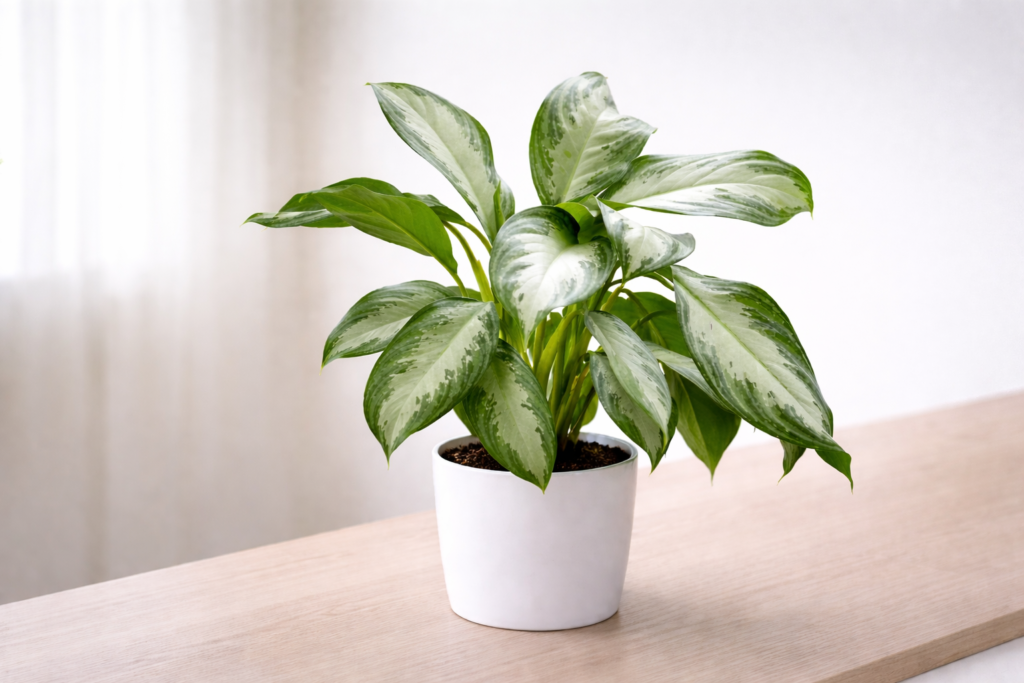
Chinese Evergreen (Aglaonema)
Chinese evergreens are well known for their attractive patterned leaves and excellent tolerance for indoor conditions.
Many varieties feature silver, green, or red markings that add visual interest to indoor spaces.
Light needs
Chinese evergreens tolerate low to medium indirect light, making them suitable for many rooms.
Watering
Water when the top inch of soil becomes dry. They prefer consistent moisture but should not sit in water.
Why beginners like it
They are adaptable, attractive, and fairly easy to maintain.
Potential drawbacks
Overwatering can cause root problems. The plant is also toxic to pets.
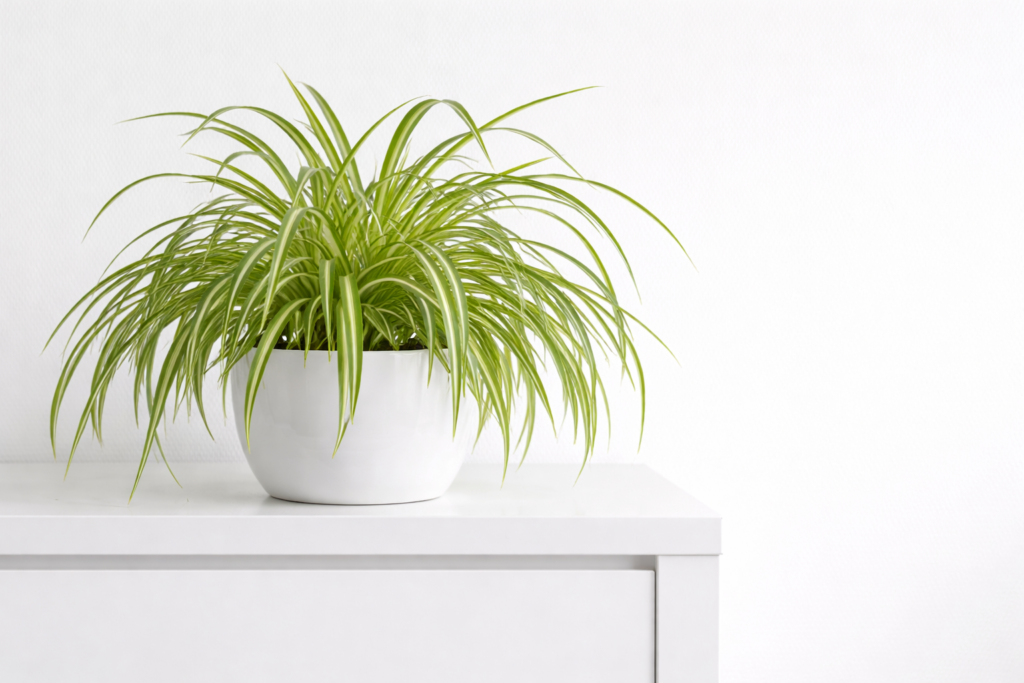
Spider Plant (Chlorophytum comosum)
Spider plants are well loved for their arching leaves and small baby plants that grow on long stems. These “spiderettes” make the plant easy to propagate and share.
Spider plants adapt well to many indoor environments and are particularly beginner friendly.
Light needs
They prefer bright indirect light but tolerate lower light levels.
Watering
Water when the top inch of soil dries out. Spider plants prefer slightly moist soil but tolerate occasional dryness.
Why beginners like it
They grow quickly and produce baby plants that are easy to propagate.
Potential drawbacks
Leaf tips may turn brown if water quality or humidity is poor.
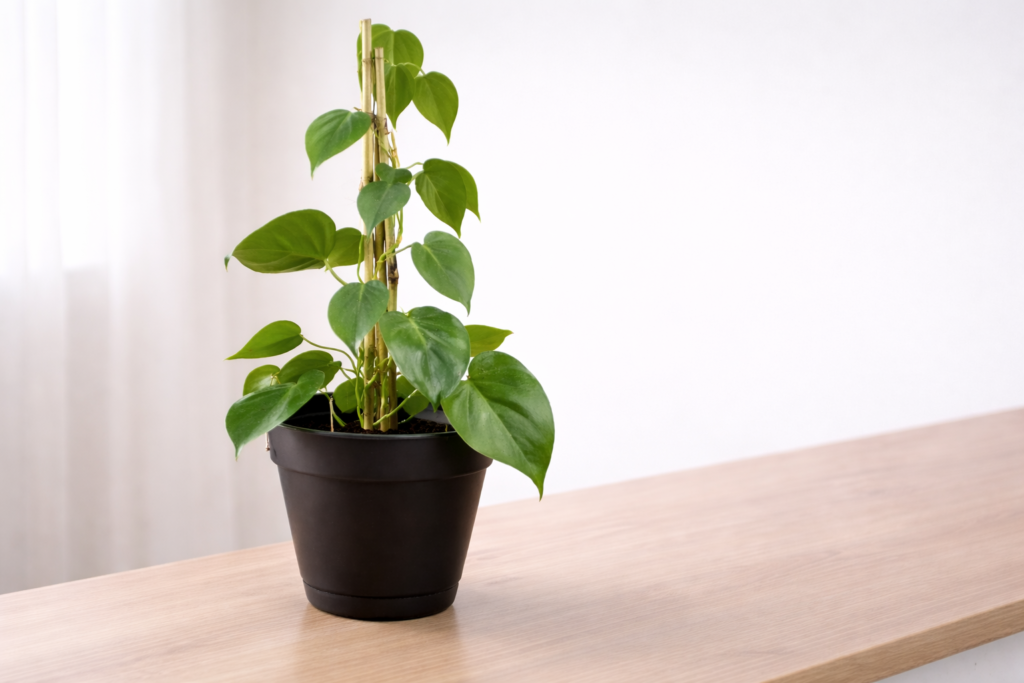
Heartleaf Philodendron (Philodendron hederaceum)
Heartleaf philodendron is a trailing plant with soft, heart-shaped leaves that grows well in hanging baskets or shelves.
It is closely related to pothos and shares similar care requirements.
Light needs
It grows well in medium to low indirect light.
Watering
Water when the top layer of soil becomes dry. Avoid letting the soil stay soggy.
Why beginners like it
It grows steadily, is easy to prune, and adapts to indoor conditions easily.
Potential drawbacks
Growth becomes slower in darker rooms.
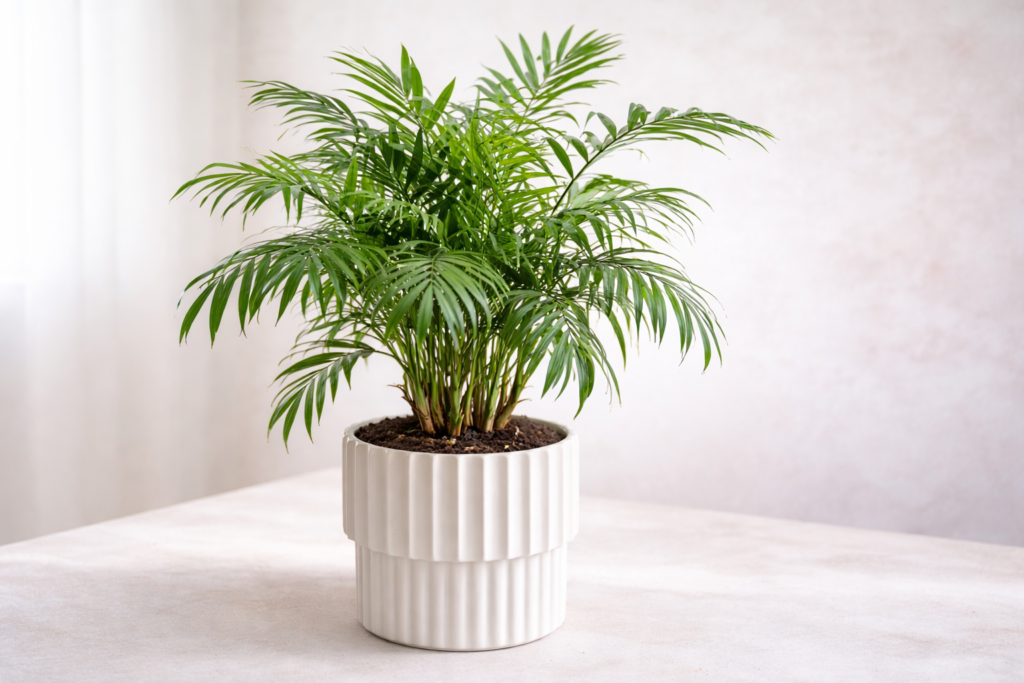
Parlor Palm (Chamaedorea elegans)
Parlor palms have been popular indoor plants for over a century. Their soft, feathery leaves add a tropical feel to indoor spaces without demanding difficult care.
They are particularly well suited for apartments and shaded rooms.
Light needs
Parlor palms prefer low to moderate indirect light and dislike strong direct sunlight.
Watering
Water when the top inch of soil dries out. Keep the soil lightly moist but not soggy.
Why beginners like it
They grow slowly and tolerate typical indoor conditions well.
Potential drawbacks
Growth is slow and plants can be sensitive to overwatering.
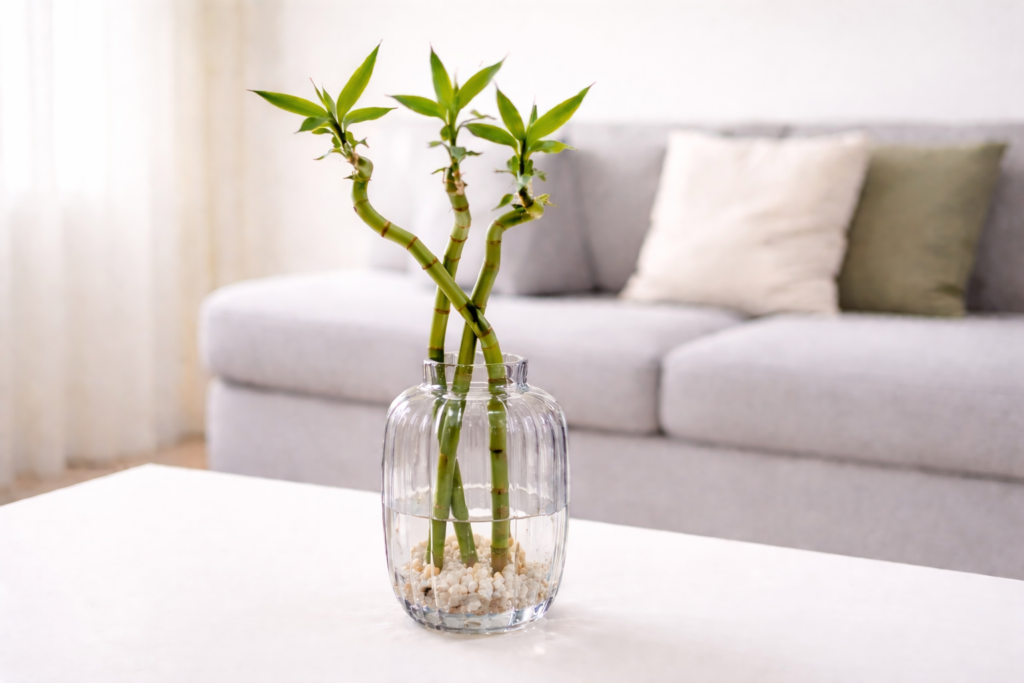
Lucky Bamboo (Dracaena sanderiana)
Despite its name, lucky bamboo is not a true bamboo. It belongs to the Dracaena family and grows well indoors in water or soil.
Its upright stalks are often arranged decoratively, making it popular in homes and offices.
Light needs
Lucky bamboo grows best in bright indirect light but tolerates lower light levels.
Watering
If grown in water, keep roots submerged and refresh the water regularly. If grown in soil, keep it lightly moist.
Why beginners like it
It requires minimal care and adapts well to indoor conditions.
Potential drawbacks
Direct sunlight can scorch the leaves, and water quality can affect plant health.
Quick Comparison Table
| Plant | Light Tolerance | Watering Difficulty | Beginner Friendly |
|---|---|---|---|
| Snake Plant | Low to bright indirect | Very easy | Excellent |
| ZZ Plant | Low light tolerant | Very easy | Excellent |
| Pothos | Low to medium light | Easy | Excellent |
| Cast Iron Plant | Very low light tolerant | Easy | Excellent |
| Peace Lily | Low to medium light | Moderate | Good |
| Chinese Evergreen | Low to medium light | Easy | Excellent |
| Spider Plant | Medium to low light | Easy | Excellent |
| Heartleaf Philodendron | Low to medium light | Easy | Excellent |
| Parlor Palm | Low to medium light | Moderate | Good |
| Lucky Bamboo | Low to medium light | Easy | Excellent |
Tips for Growing Plants in Low Light
Growing plants in low light is possible, but it helps to follow a few simple practices.
Place plants near available light sources
Even low light plants benefit from being closer to windows. Position them within a few feet of a window rather than deep inside the room.
Rotate plants occasionally
Rotating the pot every couple of weeks helps plants grow evenly and prevents leaning toward the light.
Avoid overwatering
Plants in lower light use water more slowly. Always check soil moisture before watering.
Use well-draining soil and pots with drainage holes
Good drainage prevents water from accumulating around the roots.
Clean plant leaves occasionally
Dust can block light absorption. Gently wiping leaves helps plants capture more available light.
Frequently Asked Questions
What is the easiest low light plant for beginners?
Snake plants and ZZ plants are often considered the easiest options. They tolerate low light, require minimal watering, and are very forgiving.
Can plants survive without sunlight?
No plant can survive in complete darkness. Even low light plants require some natural or artificial light to grow.
Which indoor plants grow well in bedrooms?
Snake plants, pothos, and peace lilies are commonly grown in bedrooms because they tolerate lower light and require minimal care.
Do low light plants grow slowly?
Yes, most plants grow slower in low light. This is normal because plants rely on light to produce energy for growth.
How far from a window can low light plants survive?
Many low light plants can grow several feet away from a window, but they still need ambient daylight. Completely dark corners are not suitable.
Are low light plants good for apartments?
Yes. Many apartments have limited sunlight, and plants like pothos, ZZ plants, and Chinese evergreens adapt well to these conditions.
Conclusion
Low light conditions do not mean you have to give up on indoor plants. Many species naturally tolerate dim environments and adapt well to apartments, offices, and shaded homes.
Plants such as snake plants, ZZ plants, pothos, and Chinese evergreens are especially reliable choices for beginners. They require simple care and adjust well to typical indoor lighting.
If you are just starting your indoor plant journey, try growing one or two of the best indoor plants for beginners low light first. This allows you to learn their care needs and build confidence before adding more plants to your collection.