If you have ever bought a plant, brought it home, and watched it slowly struggle, you are not alone. For many beginners, houseplant care can feel confusing at first, especially with mixed advice about watering schedules and sunlight. One source says water weekly, another says never water on a schedule. It is overwhelming at first.
The good news is this. Houseplant care is a learnable skill, not a talent you either have or do not. Plants follow clear patterns. Once you understand what they need and why they react the way they do, caring for them becomes calm and predictable.
This beginner guide will walk you through houseplant care from the ground up. You will learn what plants actually need, how to read their signals, and how to build simple habits that work in real homes and apartments. No prior plant knowledge required.
What Plants Need to Stay Healthy
At their core, all houseplants need the same five things. Understanding these basics is essential for good houseplant care, and when one is missing or overdone, problems start.
Light
Plants use light to make energy. Without enough light, they slowly weaken, even if everything else is perfect.
Water
Water supports internal plant systems. Too little causes dehydration. Too much suffocates roots. Balance matters more than frequency.
Air
Roots need oxygen just like leaves do. This is why soil choice and drainage are critical.
Soil
Soil anchors the plant, stores moisture, and delivers nutrients. Indoor plants need soil that drains well.
Time and consistency
Plants grow slowly. They respond to steady care, not constant adjustments.
When beginners struggle with care house plants, it is usually because one of these needs is misunderstood, not ignored.
Understanding Light for Indoor Plants
Light is the most confusing part of indoor plant care, but it does not need to be.
Low light
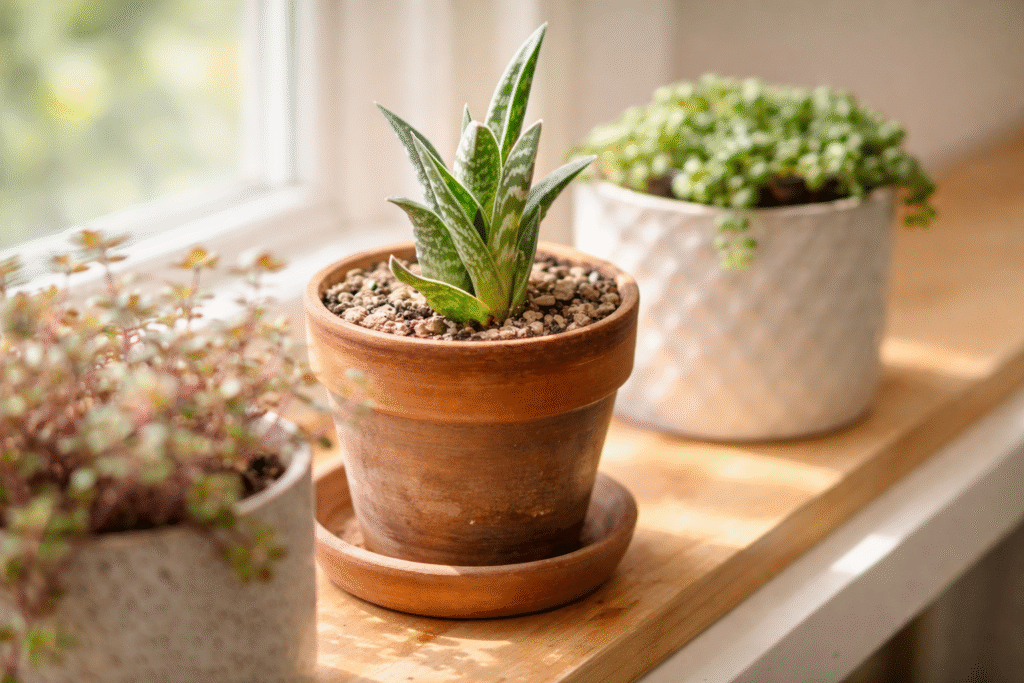
Low light does not mean darkness. It means areas far from windows or rooms with shaded exposure. Plants here grow slowly and need less water.
Medium light
This is indirect light near windows where the sun does not hit leaves directly. Most beginner houseplants prefer this.
Bright light
Bright light means strong indirect sunlight or gentle morning sun through a window. Too much direct sun can scorch leaves.
Common indoor light mistakes
-
Assuming indoor lighting replaces sunlight
-
Placing plants far from windows permanently
-
Rotating plants too often instead of choosing the right spot
Signs a plant needs more light
-
Pale or yellowing leaves
-
Long, stretched stems leaning toward windows
-
Slow or stopped growth during growing season
Light problems develop slowly, so changes should be gradual and thoughtful.
How to Water Plants the Right Way
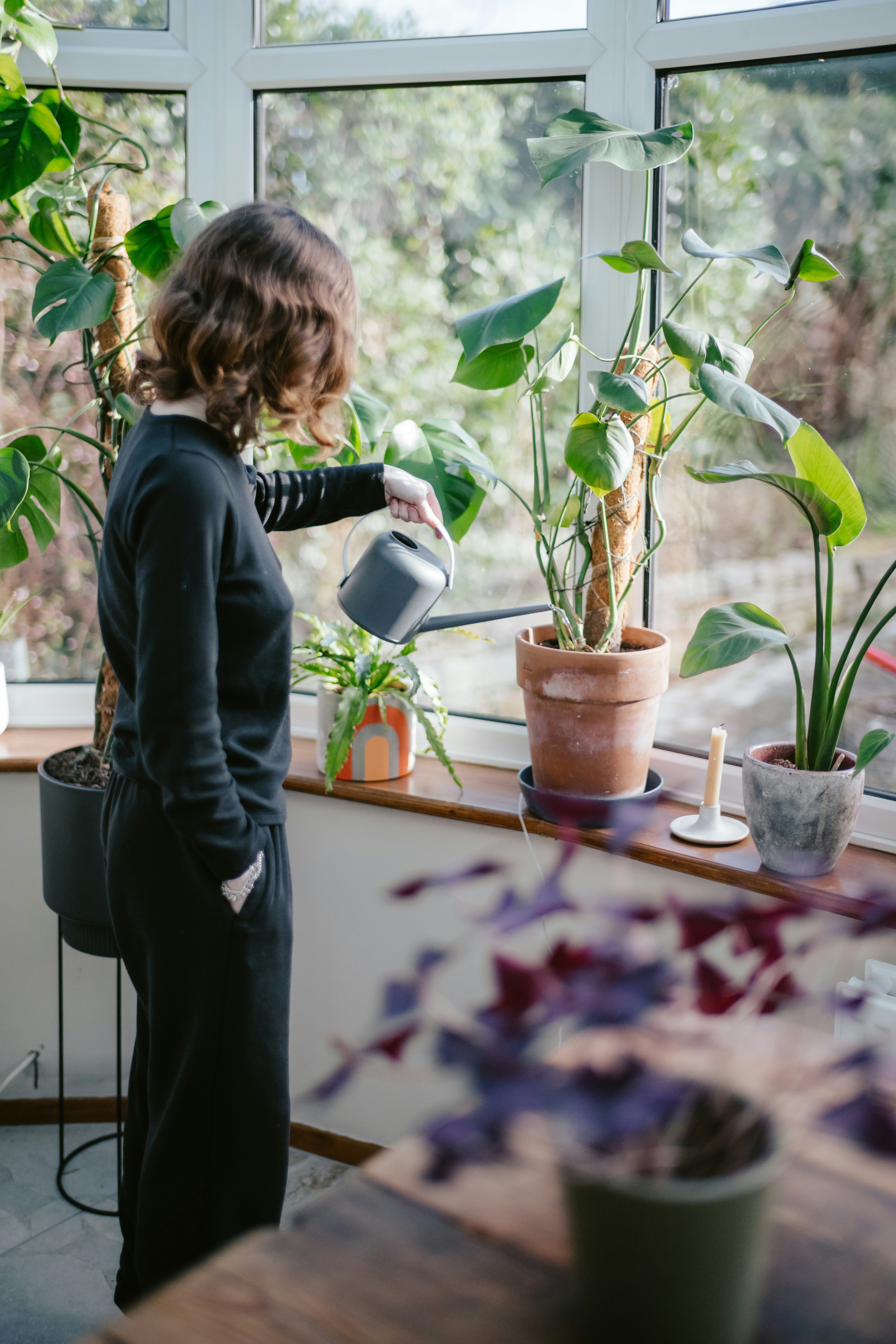
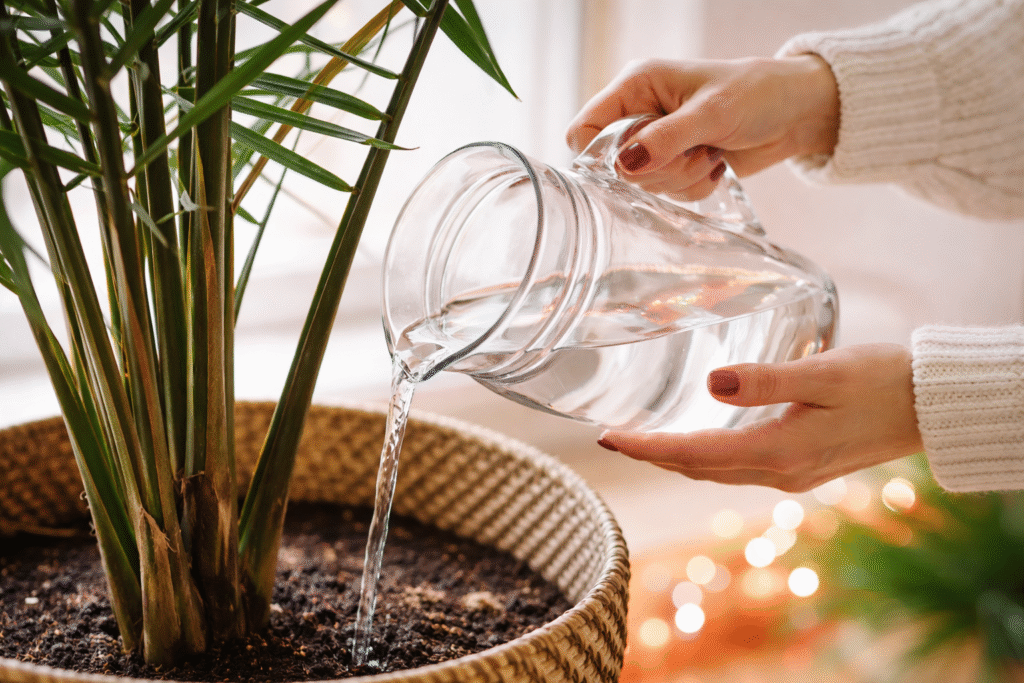
Overwatering is the most common beginner mistake in houseplant care. It often comes from caring too much, not too little.
Why overwatering harms plants
Roots need oxygen. Constantly wet soil pushes air out, causing roots to rot even though water is present.
How to check soil moisture
-
Insert your finger about one inch into the soil
-
If it feels dry, watering may be needed
-
If it feels moist, wait
Avoid watering on a strict calendar. Plants drink based on light, temperature, and growth, not the date.
Overwatering signs
-
Yellow leaves
-
Soft or mushy stems
-
Soil that never dries
Underwatering signs
-
Dry, crispy leaf edges
-
Drooping leaves that feel thin
-
Soil pulling away from pot edges
When in doubt, waiting a day is usually safer than watering early.
Choosing the Right Soil and Pots
Why garden soil fails indoors
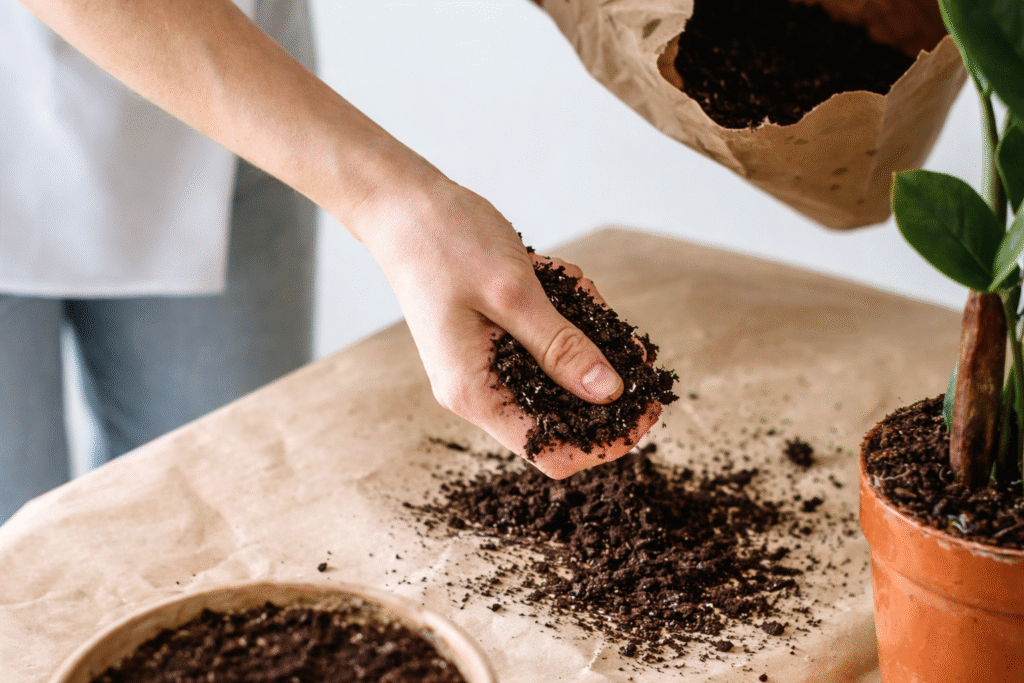
Garden soil compacts in pots, holds too much water, and blocks airflow. Indoor plants need lighter soil.
Importance of drainage holes
Drainage holes allow excess water to escape. Without them, water pools at the bottom and damages roots.
Simple soil explanation for beginners
Use labeled indoor potting mix. It already balances drainage, moisture retention, and airflow. No special mixing required when starting out.
If a pot has no drainage holes, treat it as decorative and keep the plant inside a draining nursery pot.
Temperature and Humidity Basics
Most houseplants are comfortable in the same temperatures people are.
Ideal indoor temperatures
-
Daytime: 65 to 75°F
-
Night: slightly cooler is fine
Heating and AC effects
-
Heating dries the air
-
AC creates cold drafts
-
Sudden temperature swings stress plants
Simple humidity tips
-
Group plants together
-
Keep plants away from vents
-
Place a shallow water tray nearby
You do not need special equipment to manage humidity as a beginner.
Fertilizing Without Harming Plants
Fertilizer provides nutrients, not energy. Light still controls growth.
When beginners should fertilize
-
During spring and summer
-
Only when plants are actively growing
When not to fertilize
-
Newly purchased plants
-
During winter dormancy
-
Stressed or unhealthy plants
Safe beginner habits
Use a diluted liquid fertilizer once a month during growth periods. Less is always safer than more.
Common Beginner Mistakes and How to Fix Them
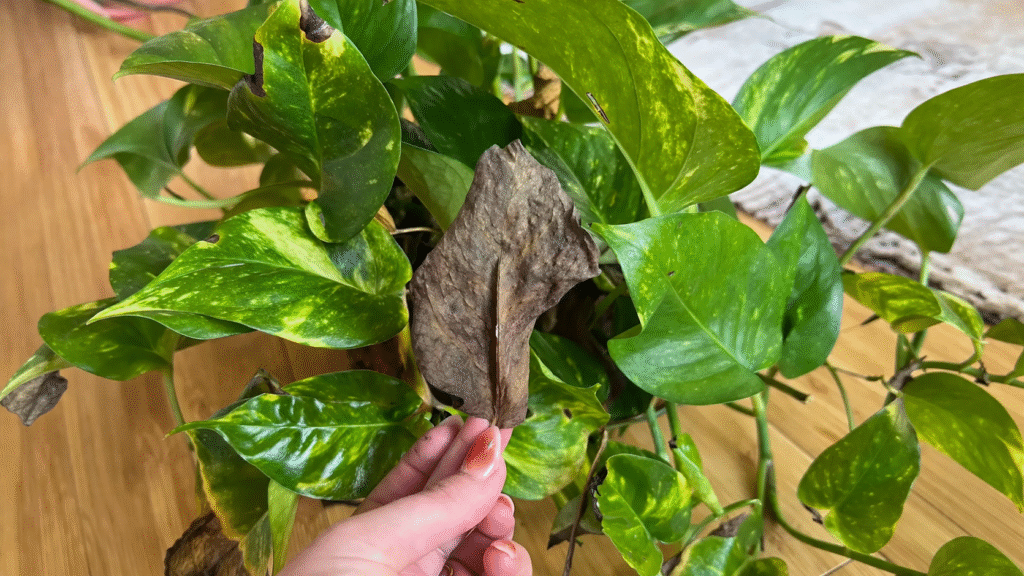
Watering too often
Fix by checking soil before every watering.
Moving plants too frequently
Plants need time to adjust. Choose a good spot and let them settle.
Ignoring light needs
If growth stalls, light is usually the reason.
Expecting instant growth
Plants grow in seasons. Slow does not mean unhealthy.
Mistakes are not failures. They are feedback.
How to Read Your Plant’s Signals
Plants communicate through their leaves and growth patterns.
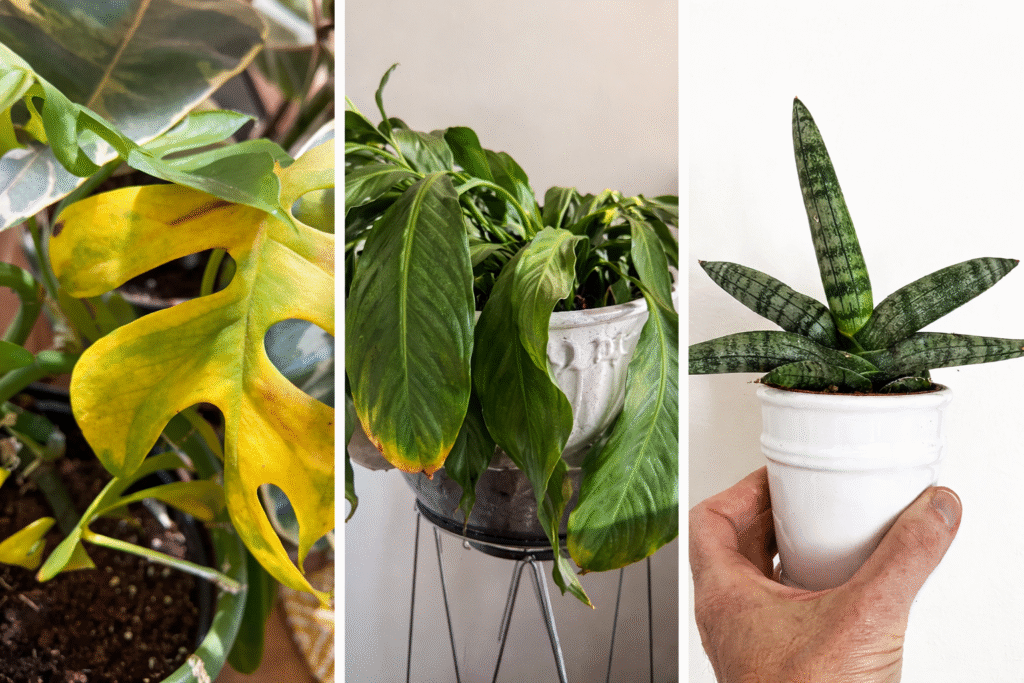
Leaf color changes
Yellow often signals watering or light imbalance.
Drooping vs wilting
Drooping leaves that recover after watering suggest thirst. Limp leaves that stay soft may signal root issues.
Slow growth
Many plants rest during cooler months. Healthy leaves with slow growth is normal.
Observation matters more than rules.
Easy Plant Care Routine for Beginners
Good houseplant care is less about strict schedules and more about observing how your plant responds over time.
Weekly checks
-
Feel soil moisture
-
Check leaf condition
-
Rotate plants slightly for even growth
Monthly habits
-
Clean dust from leaves
-
Inspect for pests
-
Fertilize during growing season
Seasonal adjustments
-
Less watering in winter
-
More light attention in summer
Simple routines prevent most problems before they start.
Frequently Asked Questions
How often should I water my houseplants?
When the soil dries to the appropriate depth, not on a schedule.
Do all plants need sunlight?
Yes, but amounts vary. No plant thrives in complete darkness.
Why are my leaves turning yellow?
Usually too much water or not enough light.
Should I mist my plants?
Occasionally is fine, but it does not replace proper humidity.
Can plants recover from mistakes?
Most can if issues are corrected early.
Is tap water okay?
Yes in most homes. Let it sit overnight if concerned.
Conclusion
Every experienced plant owner has lost plants along the way. That is how learning happens. Houseplant care improves when you slow down, observe, and adjust gently.
Start with one or two plants. Learn their patterns. Trust that progress comes from consistency, not perfection. With time, care house plants becomes less stressful and more rewarding, and your confidence will grow right along with them.